It's 5:35 AM and I've just cleared passport control in India for the first time, armed with the most thoroughly filled-out arrival and health forms of my life. I've never set foot in this country before, and somewhere between the exhaustion and the excitement, I can already tell this trip is going to surprise me.
Getting In Is Its Own Story
Traveling as a National Geographic Explorer has its perks, the merch alone seems to smooth the way through security with a camera bag full of gear. More than once, someone at a checkpoint looked at my kit, then at the badge, and just nodded like it all made sense now. At one stop I got pulled for a random check. The officer swabbed my laptop, came back a minute later, and admitted, with a small smile, that sometimes they just have to catch someone. I laughed and blamed it on the beard I hadn't had time to shave before the flight.
The visa, though, was its own small saga. Three attempts. Three different fee categories, ten dollars, fifty, and finally the one that actually worked, at a hundred and twenty, good for a full year. Which means, tigers, I'm coming back anytime I want. For the gear-curious: I traveled with my Canon R5 mark ii, a pancake lens 28mm, a 600mm, and a macro 100 mm, ready for whatever India decided to show me.
The Flight, and the Rain That Follows Me
Five hours in the air, no screens, just the hum of languages I didn't recognize drifting around me. I took a window seat near the back, watched, dozed off somewhere over the ocean, and woke to touchdown. The moment I stepped off the plane, it started raining , which tracks, because I've come to believe the rain just follows me wherever I go. There was barely time to notice. Another flight was waiting to take me onward, straight into the judging process I'd come for.
What I Learned From Judging Wildlife Photography
The best part of this trip, unexpectedly, wasn't the wildlife I photographed, it was the food, and the people. South Indian parotta and a chicken gravy that I'm still thinking about. And three fellow judges Kalyan, Rahul and Vikram, who taught me more about judging in a few days than I expected to learn.
Three things kept coming up in every image we debated:
Ethics : where exactly was this image taken, and how?
Craft : was the composition and exposure genuinely well executed?
Originality : have we seen this image, or one just like it, before?
What struck me most was how many of the strongest entries were shot in Kenya, by Indian photographers who'd traveled there. The competition is open internationally, East Africa included, which says something about how small this world of wildlife photography actually is. Most of the entries, unsurprisingly, were tigers. My co-judges. both of whom have essentially lived alongside tigers, kept skimming past them like they were nothing new. I had to stop them more than once: slow down, let me actually look, I've never seen a tiger and I'm hoping this trip changes that.
After the judging wrapped, there was a dinner I won't stop talking about, and a small gift I've since hung on my wall at home.
Going Looking for the Animals Myself
With judging done, the next two days were mine to go find India's wildlife in the field. Asian elephants and lion-tailed macaques were top of the list. I pictured myself walking into some open landscape and just, finding them, camera ready, bragging rights secured. It didn't quite go that way.
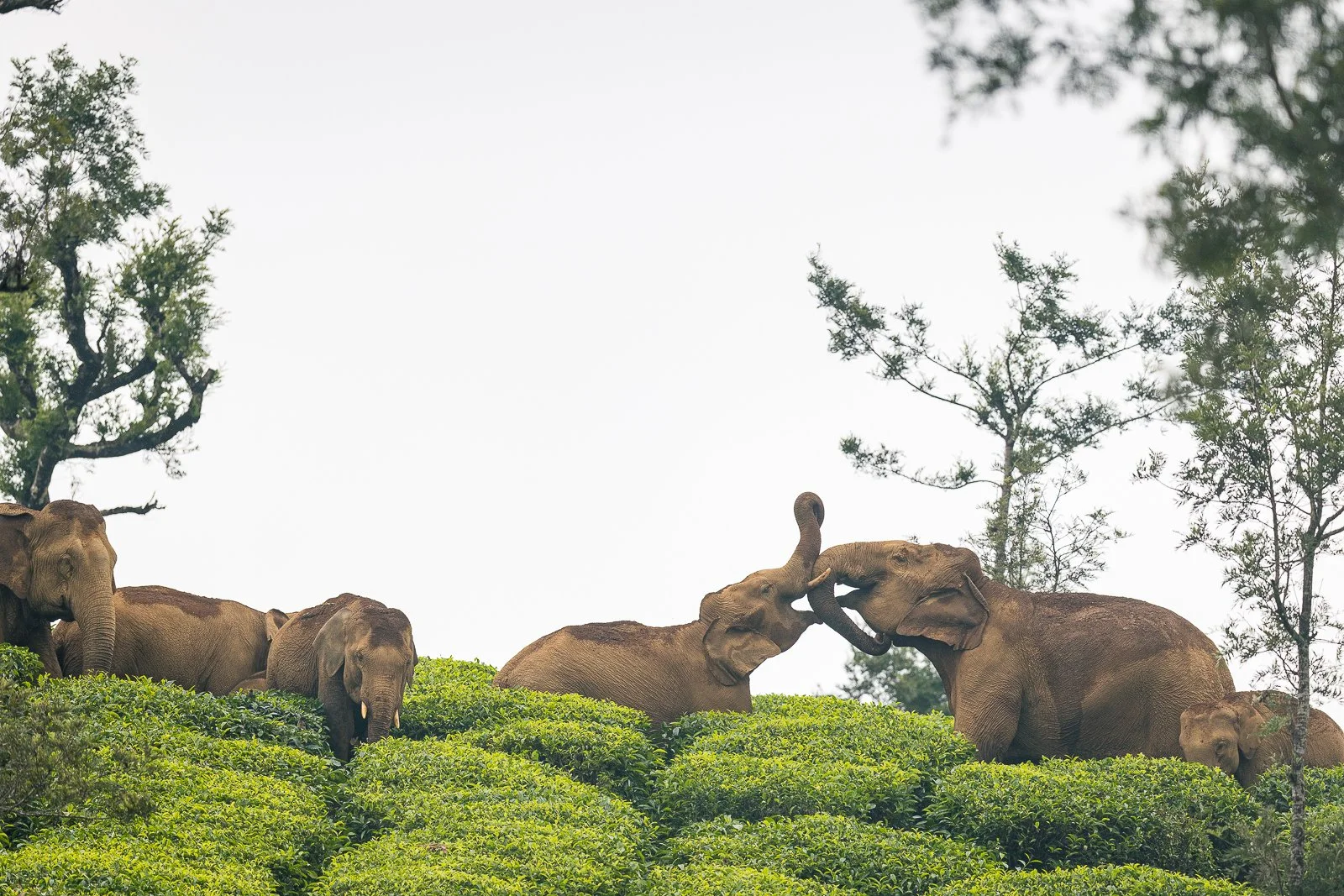
Asian elephants: I did see them, though photographically they gave me a harder time than expected, slipping in and out of cover just as I'd get set.
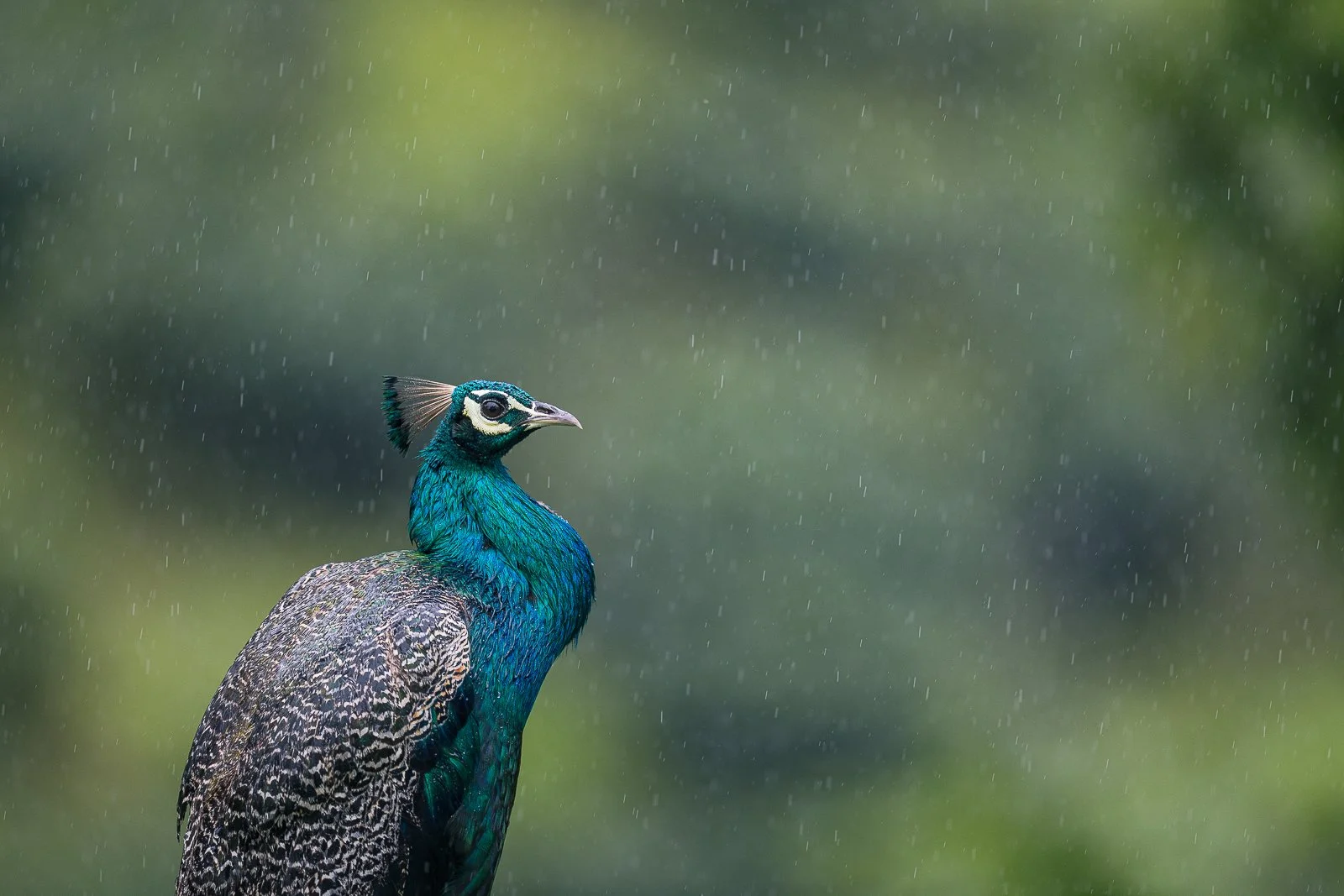
Peacocks: these showed up constantly, almost teasingly, calling out as if to say I'm here, I'm here, which, for any of my Kenyan friends reading this, instantly took me back to Tausi, the show that had all of us glued to the TV in the '90s.
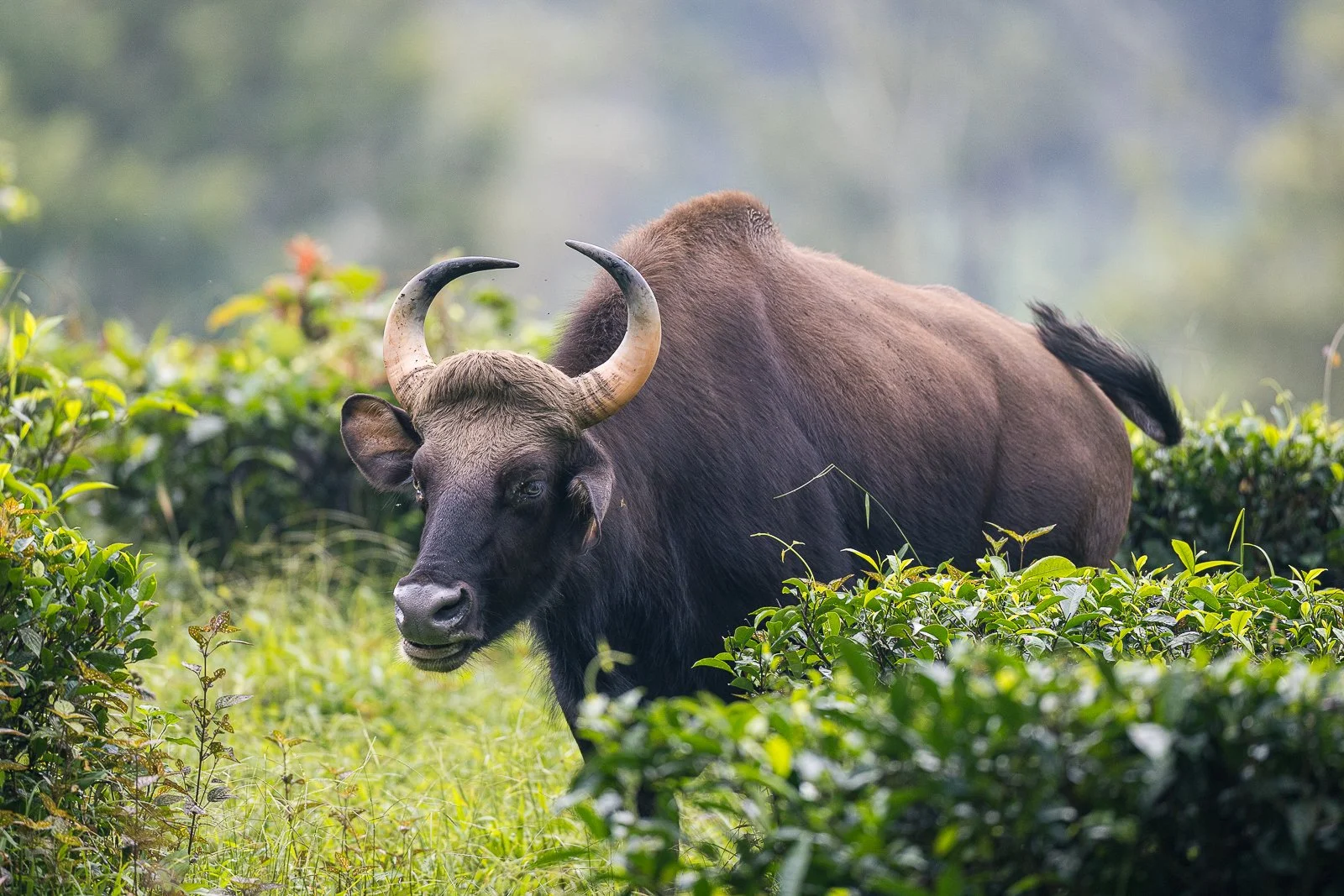
Gaur and wild buffalo: everywhere, unbothered, doing their own thing in the background of every other animal I was trying to photograph.
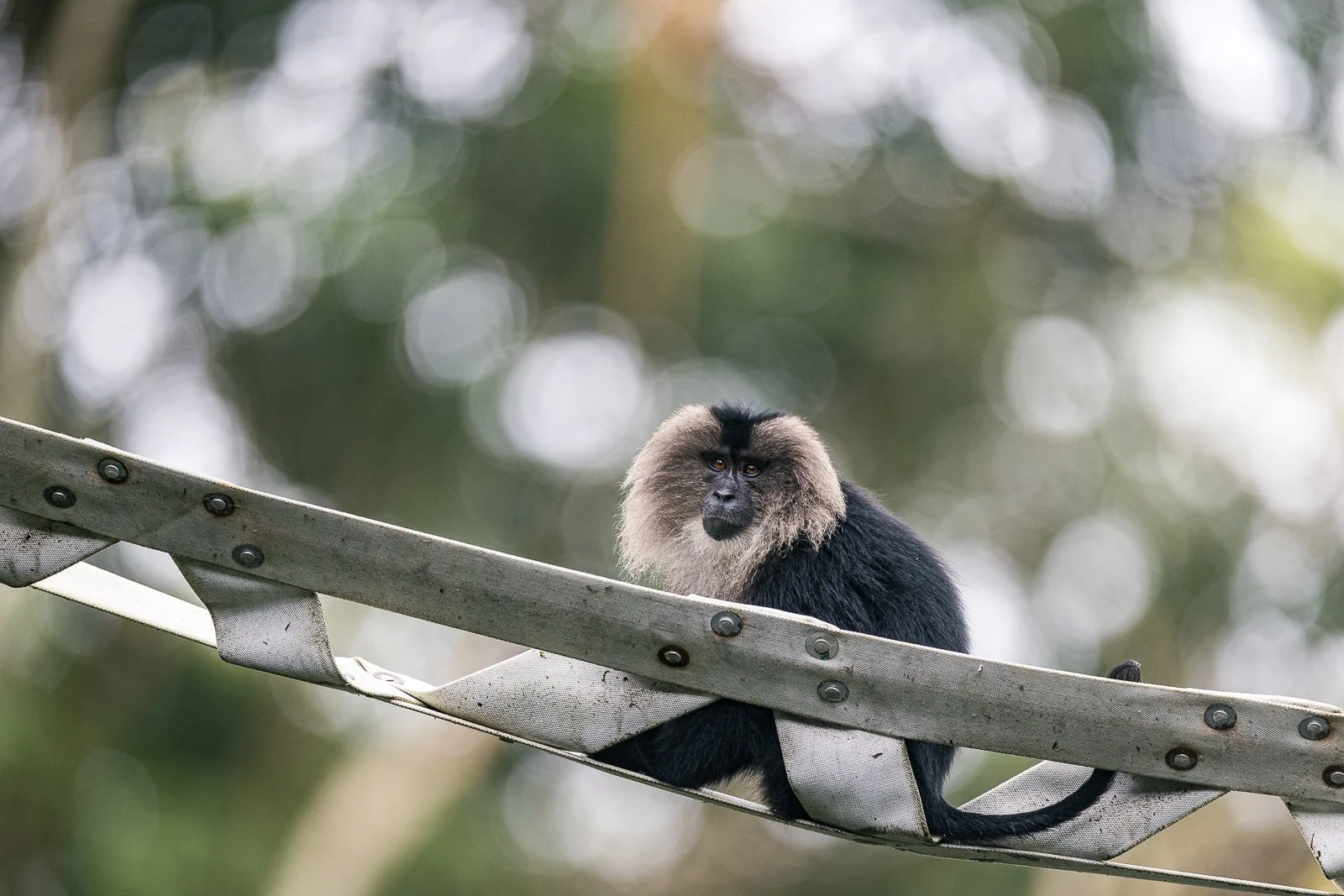
Lion-tailed macaques: the ones I'd traveled specifically hoping to find.
And the tiger, the whole reason a piece of me couldn't stop hoping, stayed exactly where tigers are best at staying: unseen, somewhere just out of frame.
What This Trip Actually Gave Me
I came to India for a judging assignment and left with something closer to a full immersion, visa drama, airport small talk, a shared meal with strangers who became something like friends, and a short but humbling reminder that photographing wildlife in a new country resets you back to zero. All the instincts I've built up in Kenya don't automatically transfer. You have to relearn how to wait, how to read a landscape that isn't yours yet.
No tiger this time. But a year-long visa says I get another shot at it.