February Reflection: How Love Made Me Who I Am Today
Over the past five years, conservation photography has not only shaped my career, it has shaped me as a person. There was a season when I kept hearing the same statements from people around me:
“You left work to shoot birds?” “For you to succeed in this career, you need to make a name.” “This is why you cannot keep a family.”
For nearly three years, those words followed me. I had no response. I felt empty and unsure of myself. From the outside, my decision to pursue conservation photography may have looked impulsive or unrealistic. From the inside, it felt like the only honest thing I could do. I did not have certainty. I had passion. I had a dream. And I had a deep commitment to keep growing.
Over time, the camera stopped being just equipment. It became an extension of who I am. Today, life feels incomplete if I am not doing something meaningful with it for conservation. Photography brings a kind of clarity into my life, like the steady glow of a lighthouse near the ocean, guiding you even when the waters are rough.
Looking back, here are five things conservation photography has seen me through.
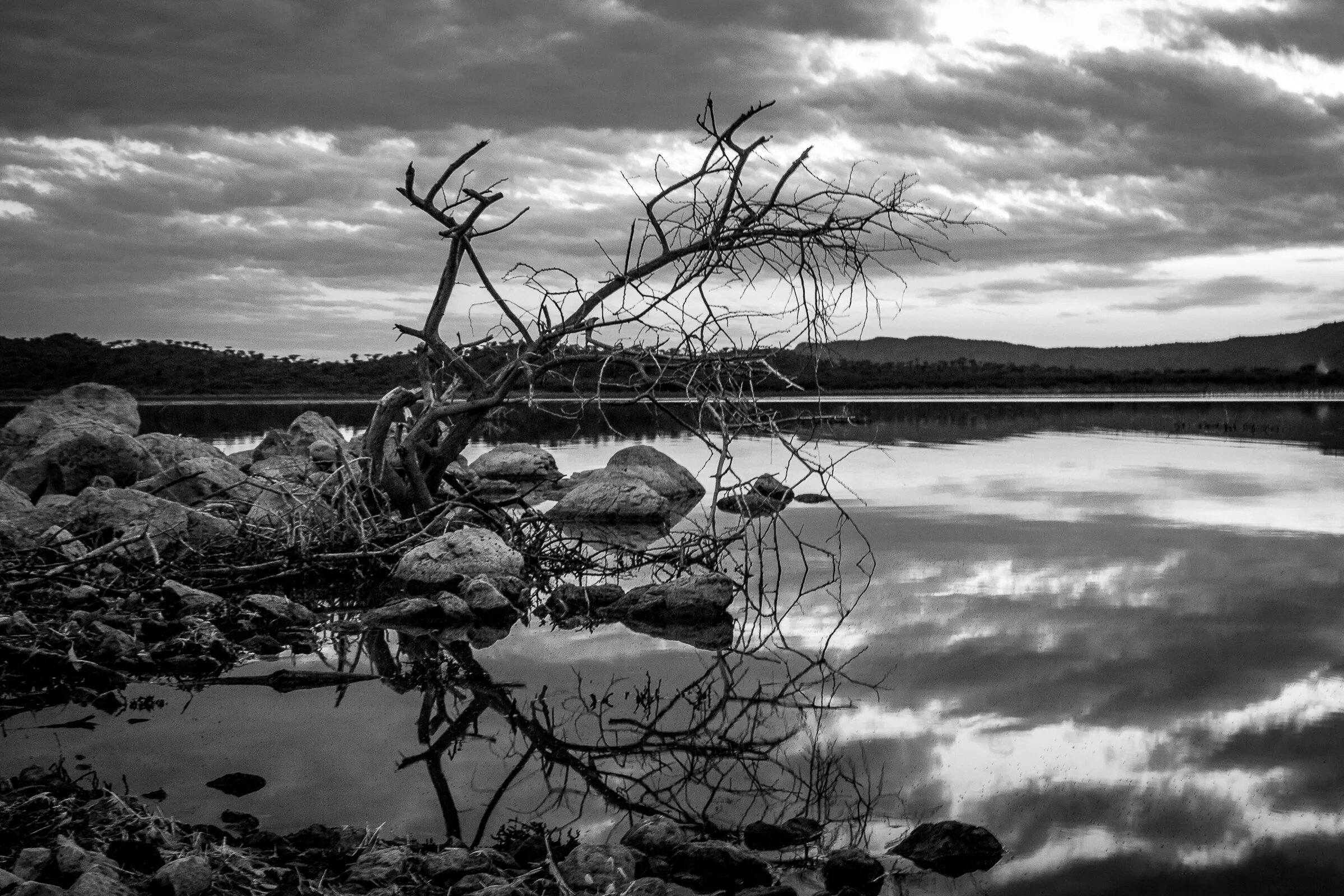
A black and white reflection of a lone tree in the early morning stillness of Lake Bogoria, captured in 2017. This was part of my first collection, photographed on a Canon EOS 70D with an 18–135mm kit lens, simple gear, but the beginning of everything for me.
1. Identity Crisis
There were moments when I seriously questioned whether I had made the right decision. I had left structured employment and stepped into a field that is competitive, underfunded, and emotionally demanding. I wondered if I had sacrificed stability for an illusion. Conservation photography forced me to confront my identity. If I was not defined by a job title or a steady salary, then who was I? The process of building a career in storytelling required me to separate validation from purpose. Slowly, I began to understand that this path was not about recognition, it was about calling.

A kerosene lamp floating on a fishing stand on Lake Victoria. The yellow glow comes from burning kerosene, a petroleum-based fossil fuel and for years fishermen depended on it, constantly checking and refilling their lamps through the night as the fuel ran low. Today, solar lamps last the entire night, reducing cost, risk, and reliance on fossil fuels.
This image is from my first-ever commissioned photo story with InfoNile. It was photographed using a Canon EOS R , marking an important step forward in my storytelling journey.
2. Mental Health Challenges
The journey was not smooth. There were seasons of doubt, isolation, and quiet internal battles. Creative work has a way of amplifying your insecurities because your work is deeply personal. Rejection feels personal. Comparison becomes constant. During some of my lowest moments, photography became structure. It gave me a reason to wake up early. It gave me subjects to focus on when my thoughts were chaotic. Documenting wildlife, communities, and conservation efforts grounded me. The discipline of showing up with a camera, even when I did not feel strong, slowly rebuilt my confidence.

Chimpanzees share about 98% of our DNA, and when you sit quietly among them, you begin to understand why. On Ngamba Island, located about an hour by boat from Entebbe, I found an unexpected sense of peace.
This assignment was more than a portfolio-building opportunity it was personal. Many of the chimpanzees at the sanctuary, managed by the Ngamba Chimpanzee Trust, were rescued from the illegal pet trade and bushmeat industry. As I documented their stories, I reflected on loss theirs and my own. In many ways, we healed together. I did not feel like an outsider observing wildlife; I felt part of a family rebuilding itself. The image was captured on a Canon EOS 70D paired with a Sigma 150–600mm lens.
3. The Love and Affirmation of My Father
In 2019, I was sitting with my father having a simple conversation. He asked me, “Were you once in the States? Why didn’t you stay there forever?”
I responded, “Dad, I will go there this year.” He sighed quietly.
That same evening, I received an email informing me that I had been invited as a visitor to the Jackson Wild Festival in the United States. I remember being excited to show him the email, smiling like a child with good news. He was proud and genuinely happy for me.
What I did not know was that it would be the last day I would ever see him.
His joy remains one of my strongest motivations. When I think about why conservation storytelling matters, I remember that moment. His belief in me carried weight during a time when I struggled to believe in myself. Sometimes encouragement does not come in grand speeches sometimes it comes in small acts of love, in simple conversations, or even in buying chips just to see your son smile.
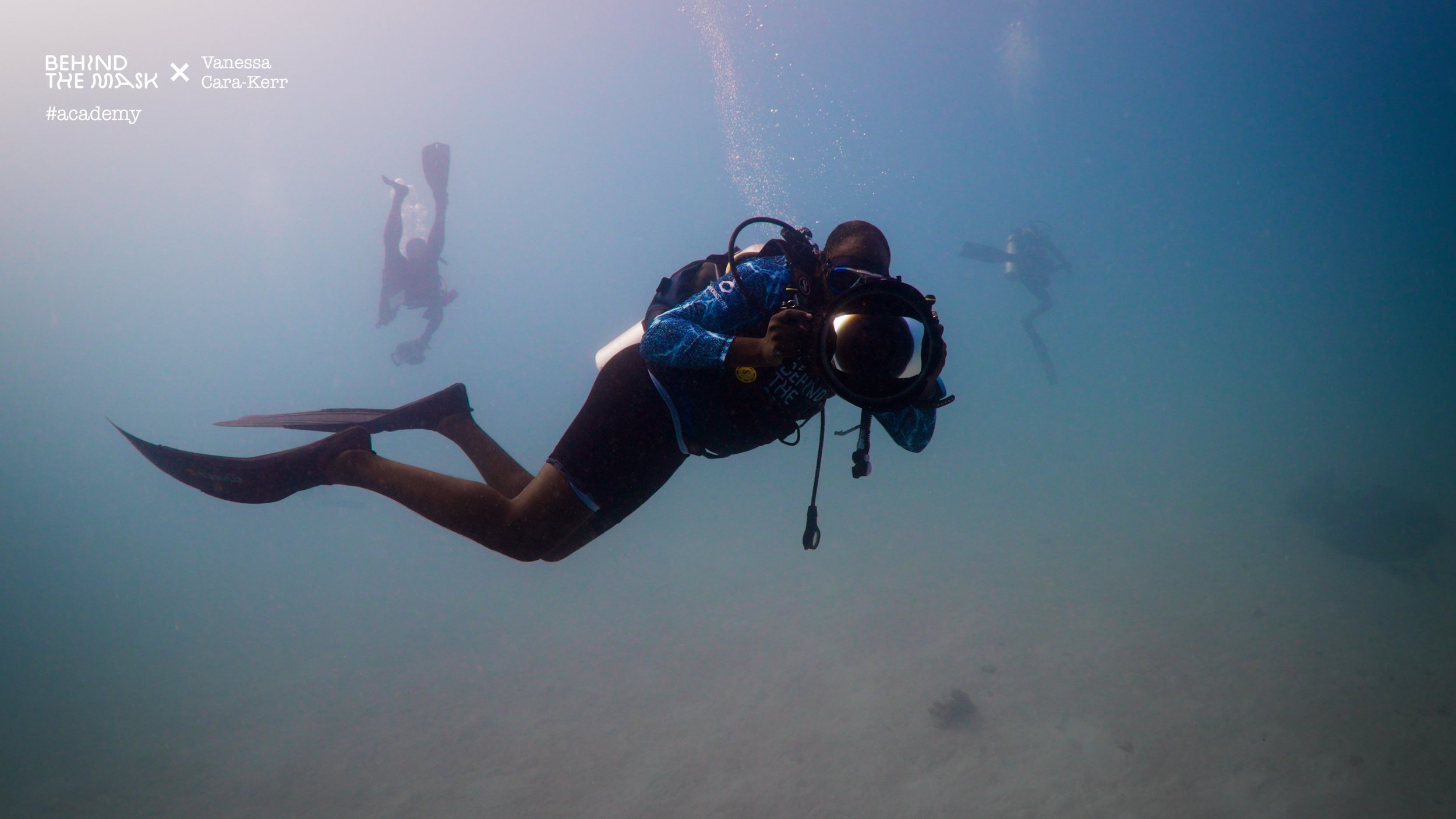
Today, I am not only photographing on land but also beneath the surface of the ocean. Underwater, I have found a different kind of peace, one that is quiet, immersive, and deeply grounding.Every dive feels like a new experience and a personal celebration of growth, of resilience, and of the natural world. The ocean has expanded my storytelling, but more importantly, it has expanded me.
4. Faith When Resources Were Limited
Being invited to the festival was one thing. Affording the trip was another.
I did not have money for the visa or the ticket. The opportunity felt real, but financially unreachable. At that critical moment, a couple involved in philanthropy tourism stepped in and supported me with the visa process. Around the same time, I submitted a grant application to WWF-EFN just one day before the deadline. I did not expect much, I simply did not want to miss the opportunity.
I received the grant.
That experience changed my perspective. It reminded me that preparation and faith often meet at the edge of uncertainty. When I returned from the United States, I was energized and focused. I produced eight films back-to-back, learning through mistakes and refining my craft. At the time, I was shooting on an entry-level camera purchased using my pension savings from my previous roles at BirdLife International and Laikipia Wildlife Forum. The equipment was modest, but my commitment was not.
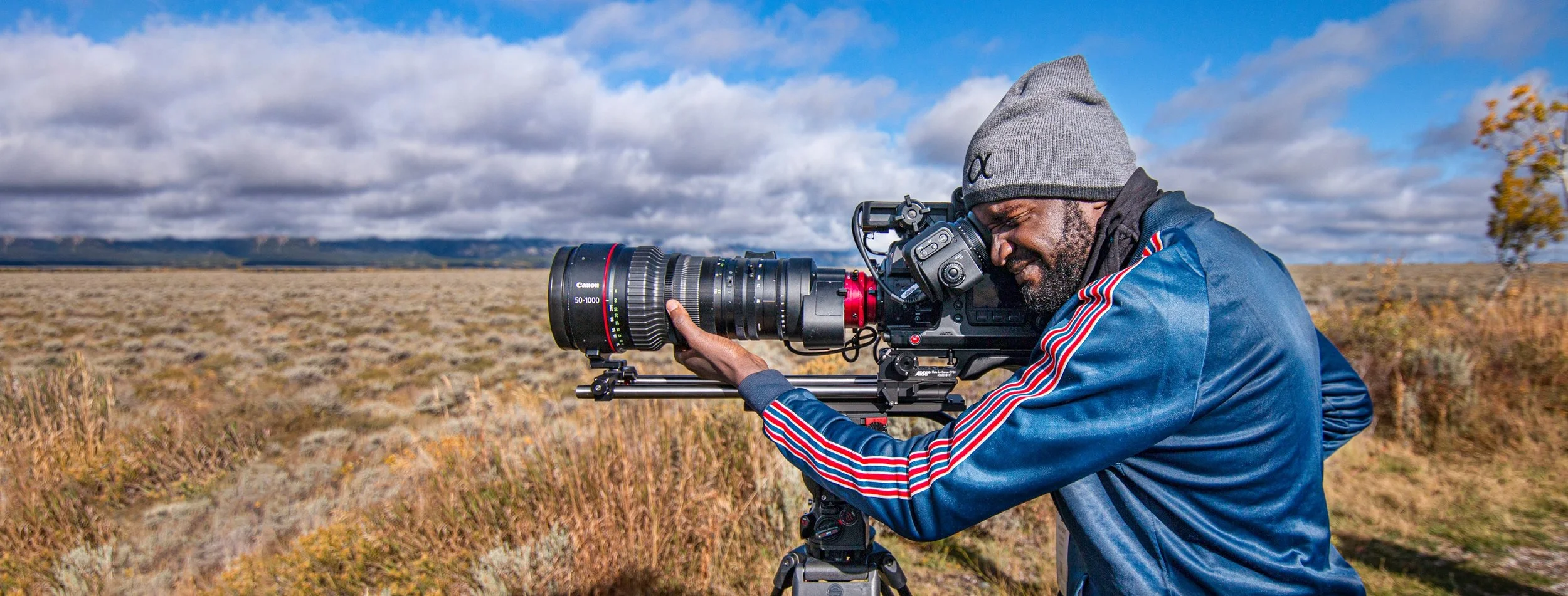
The first time I ever held a Canon cinema camera was in 2019 at the Jackson Wild Summit in Jackson Hole. Standing there in Wyoming, surrounded by some of the world’s leading wildlife filmmakers, I remember feeling both intimidated and inspired. Holding that camera symbolized something bigger than gear, it represented possibility. It was a reminder that storytelling could move beyond still frames and into motion, sound, and deeper narrative impact. That moment marked a quiet shift in my journey from photographer to filmmaker.
5. Resilience Through Continuous Growth
Nothing about this journey has been easy. There were financial constraints, technical limitations, and moments of deep self-doubt. But there was also growth.
I learned that mastery is not about having the best gear; it is about consistency. Every day I chose to practice. Every project became a lesson. Every mistake became feedback. Conservation photography taught me persistence. It taught me empathy toward myself during failure. It taught me to measure progress not by applause but by improvement.
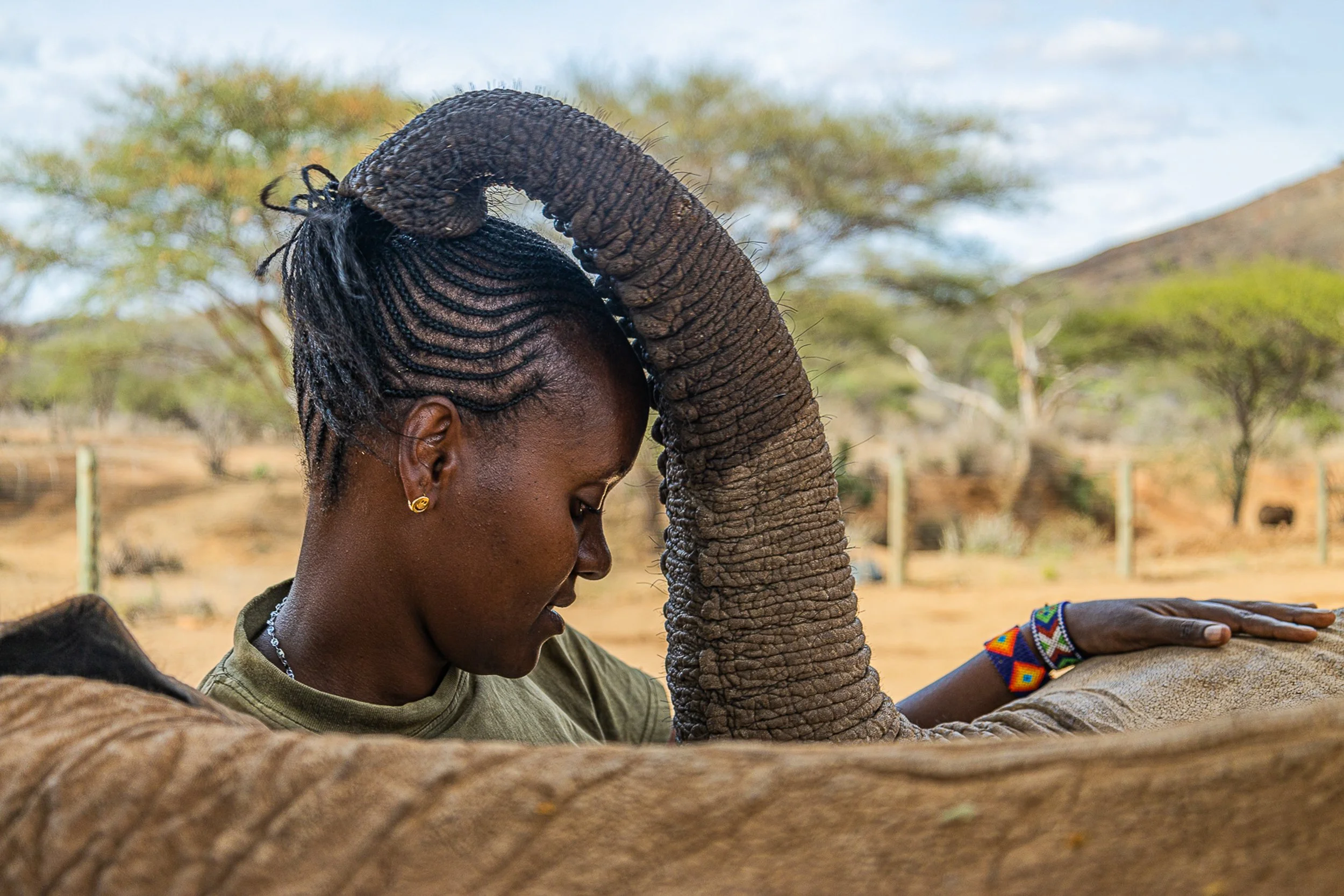
Kenyan photographer Anthony Ochieng Onyango is a second-time entrant to the Mkapa awards, and this time he won the category "Conservation Heroes." "Elephants exhibit affection using their trunks through touching and caressing," he explained, and this photo illustrates the strong mutual bond between an elephant and a ranger.
Conclusion
Conservation photography did not just build my portfolio, it built my character.
It carried me through grief after losing my father. It anchored me during mental health struggles. It challenged my identity and refined my purpose. It reminded me that love from family, mentors, and supporters is often the unseen force behind visible success. Today, when I hold a camera, I am not just documenting wildlife or ecosystems. I am honoring a journey shaped by doubt, resilience, and love.
If you are standing at a crossroads, unsure whether to pursue what feels deeply true to you, understand this: the path may test you, but it may also reveal who you are meant to become.
For me, conservation photography has been more than a career. It has been a process of becoming.
Happy to share my skills for the last 10 year for a nice cup of coffee :)
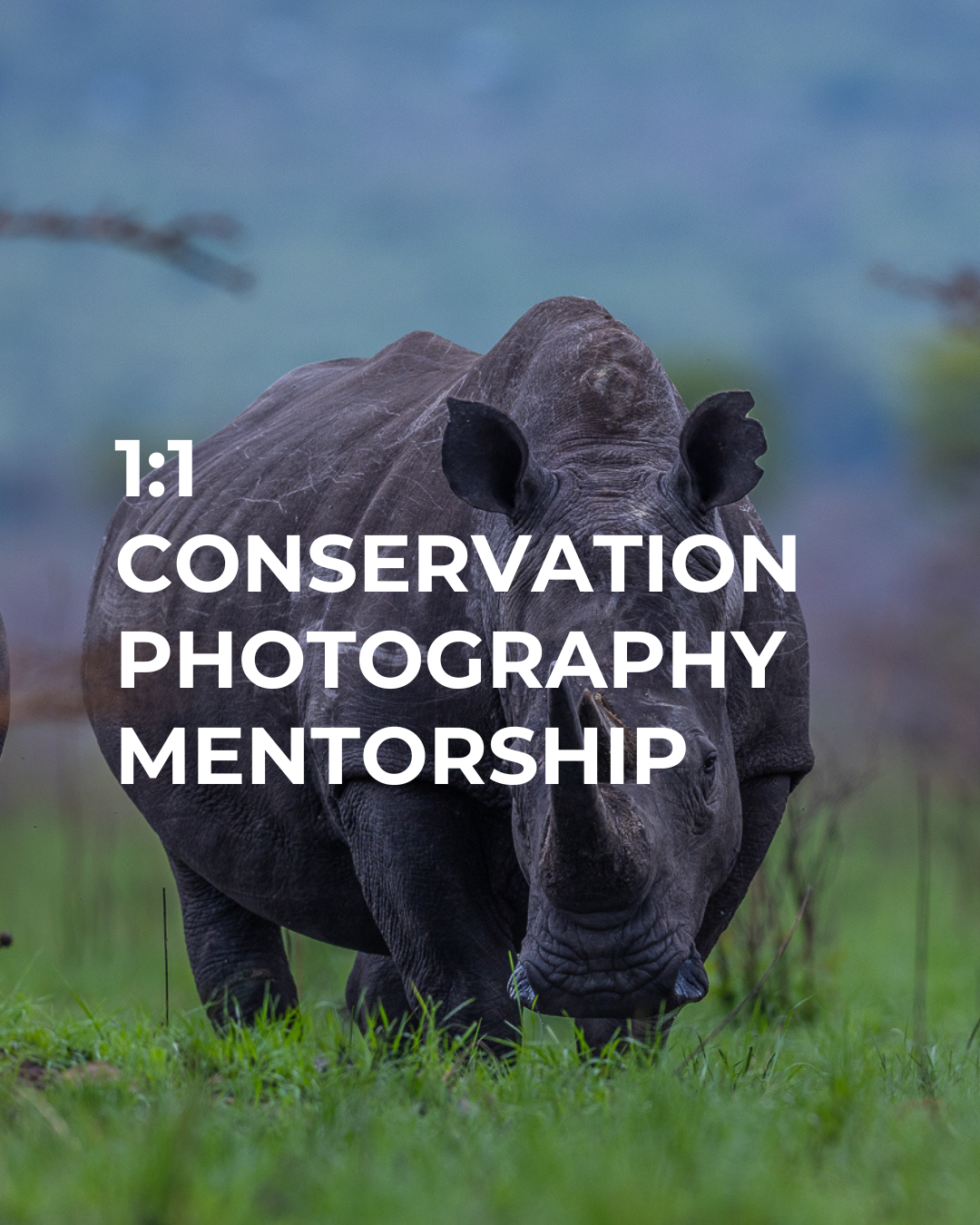
Overview
A focused one-on-one mentoring session designed to give you clarity, direction, and practical next steps in your conservation photography journey.
This session is tailored to your specific goals, whether that’s improving your portfolio, refining your storytelling, securing funding, or building a purpose-driven career.
Who It’s For
Conservation photographers
Wildlife and underwater storytellers
Creatives transitioning into conservation work
NGOs needing visual strategy guidance
What We Can Cover
You choose the focus. Examples include:
Portfolio review and critique
Story development and framing
Pitching to NGOs, brands, or media
Grant strategy and positioning
Personal brand clarity
Long-term conservation impact planning
How It Works
60-minute private Zoom session
Pre-session questionnaire to define your goals
Clear action steps after the call
Optional follow-up support via email
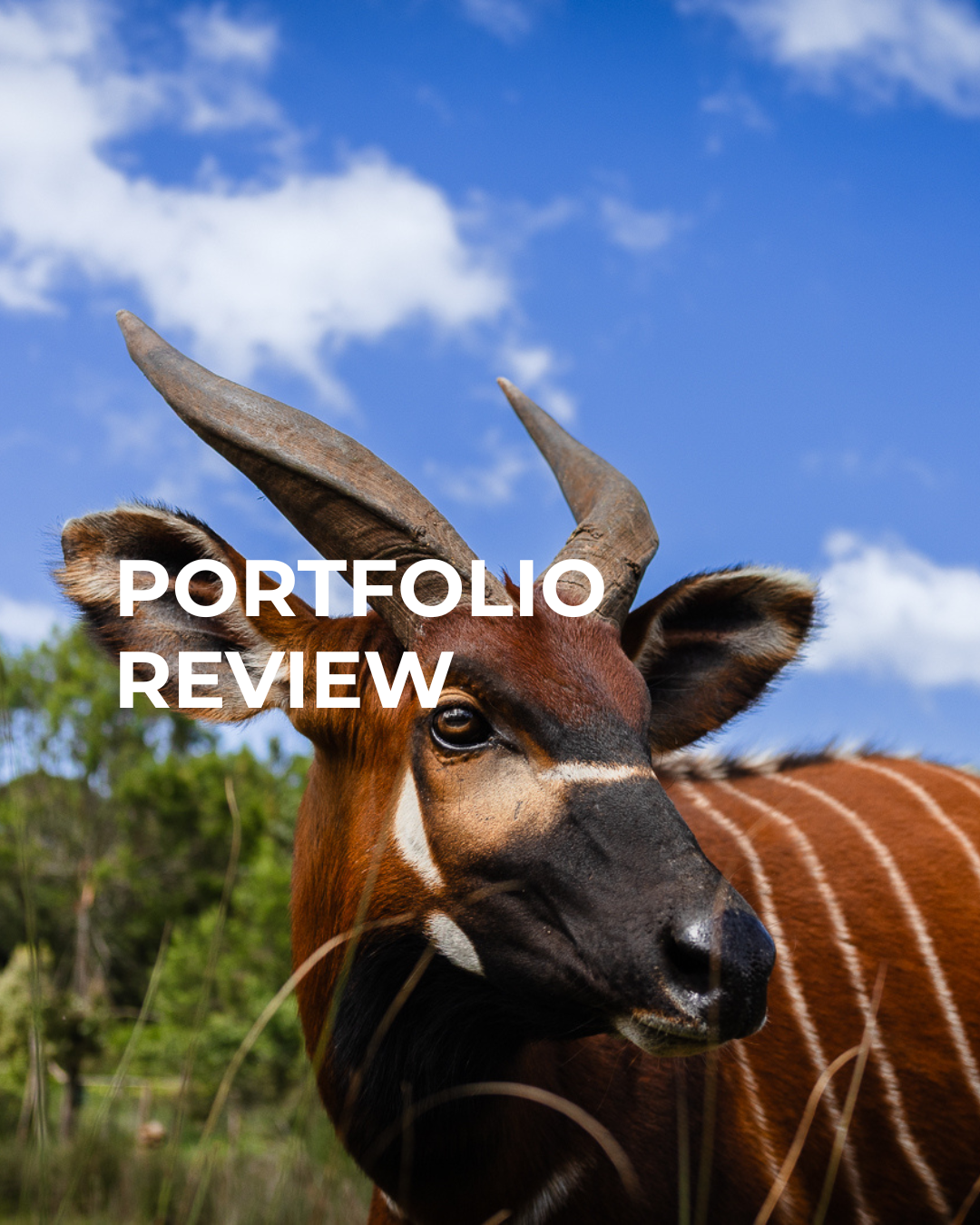
Professional Feedback. Clear Direction. Real Growth.
Overview
The Portfolio Review Intensive is a focused, recorded critique designed to give you honest, strategic feedback on your photography.
This is not a casual opinion.
It is a structured evaluation of your work through a conservation storytelling and professional industry lens.
You submit your portfolio.
I review it independently.
You receive detailed, annotated feedback and a practical roadmap for improvement.
Who This Is For
Emerging conservation photographers
Students building their first serious portfolio
Underwater photographers refining technique
Wildlife storytellers preparing to pitch
Creatives transitioning into conservation work
If you want clarity without committing to full mentorship, this is the right starting point.
What You Receive
1. 45-Minute Recorded Video Review
A screen-recorded, in-depth critique of your submitted portfolio.
I will assess:
Image selection strength
Technical execution
Story coherence
Emotional impact
Conservation relevance
Sequencing and flow
Professional positioning
2. Annotated Image Feedback
Direct comments on specific images:
What works
What weakens the portfolio
What should be removed
What is missing
3. Action Roadmap (PDF Summary)
A clear improvement plan including:
Skill gaps to address
Storytelling direction
Portfolio restructuring advice
Strategic next steps
You leave knowing exactly what to fix and where to focus.
How It Works
Purchase the Portfolio Review Intensive
Submit up to 25 images or your website link
Complete a short intake form outlining your goals
Receive your recorded review within 7 days
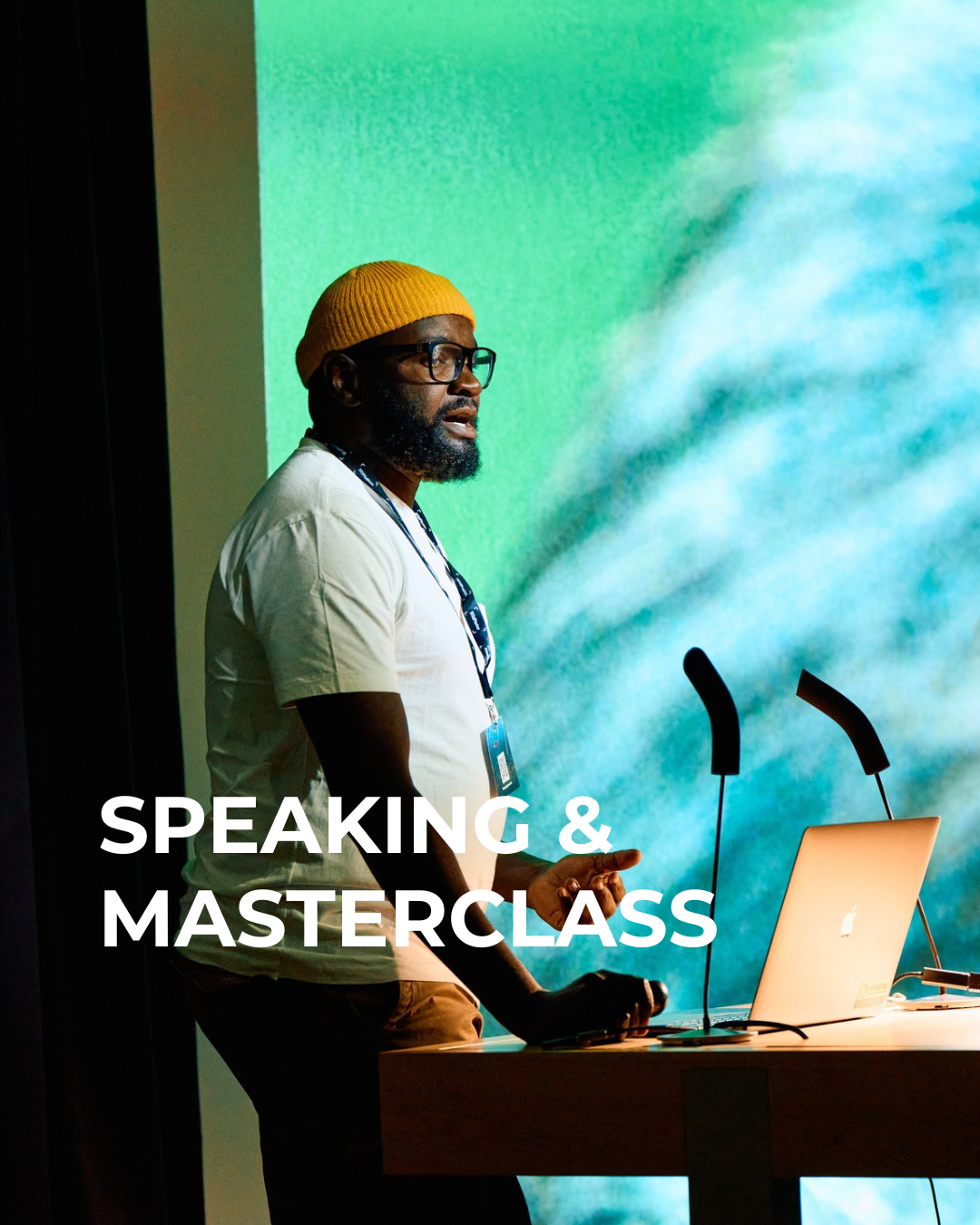
Overview
Anthony Ochieng is a conservation photographer and visual storyteller who uses imagery to shift perception, influence behavior, and strengthen conservation action.
This speaking package is designed for institutions, conferences, and organizations seeking a powerful blend of storytelling, strategy, and practical insight into how photography can drive measurable conservation impact.
Keynote Talk
“Using Photography to Change Human Behavior for Conservation”
This keynote explores:
The psychology of visual storytelling
Framing narratives that shift public perception
Moving audiences from awareness to action
Lessons from field-based conservation work in Africa
The intersection of art, science, and community
Ideal for:
University lectures
Conservation conferences
Environmental summits
Corporate sustainability forums
Photography festivals
Duration: 45–60 minutes
Includes Q&A session
Workshop Add-On
Practical Storytelling Session
A hands-on masterclass designed for photographers, students, and conservation professionals.
Participants will learn:
How to structure a conservation story
Building a strong visual narrative arc
Image sequencing and emotional pacing
Ethical storytelling in sensitive communities
Pitching stories to NGOs, brands, and media
Format Options:
2–3 Hour Intensive
Half-Day Workshop
Full-Day Masterclass
Target Audience
This package is tailored for:
Universities and academic institutions
Conservation and biodiversity conferences
Photography festivals
Environmental NGOs
Corporate sustainability departments
Youth leadership programs
What Makes This Different
This is not just inspiration.
The session bridges:
Field experience
Monitoring & Evaluation thinking
Strategic communication
Real-world conservation outcomes
Audiences leave with:
Practical frameworks
Applied storytelling tools
Clear understanding of photography’s role in behavior change
Booking Information
Speaking engagements are available internationally (virtual or in-person).
Fees vary based on:
Event type
Location
Duration
Workshop inclusion
Travel and accommodation (if required) to be covered by host organization.