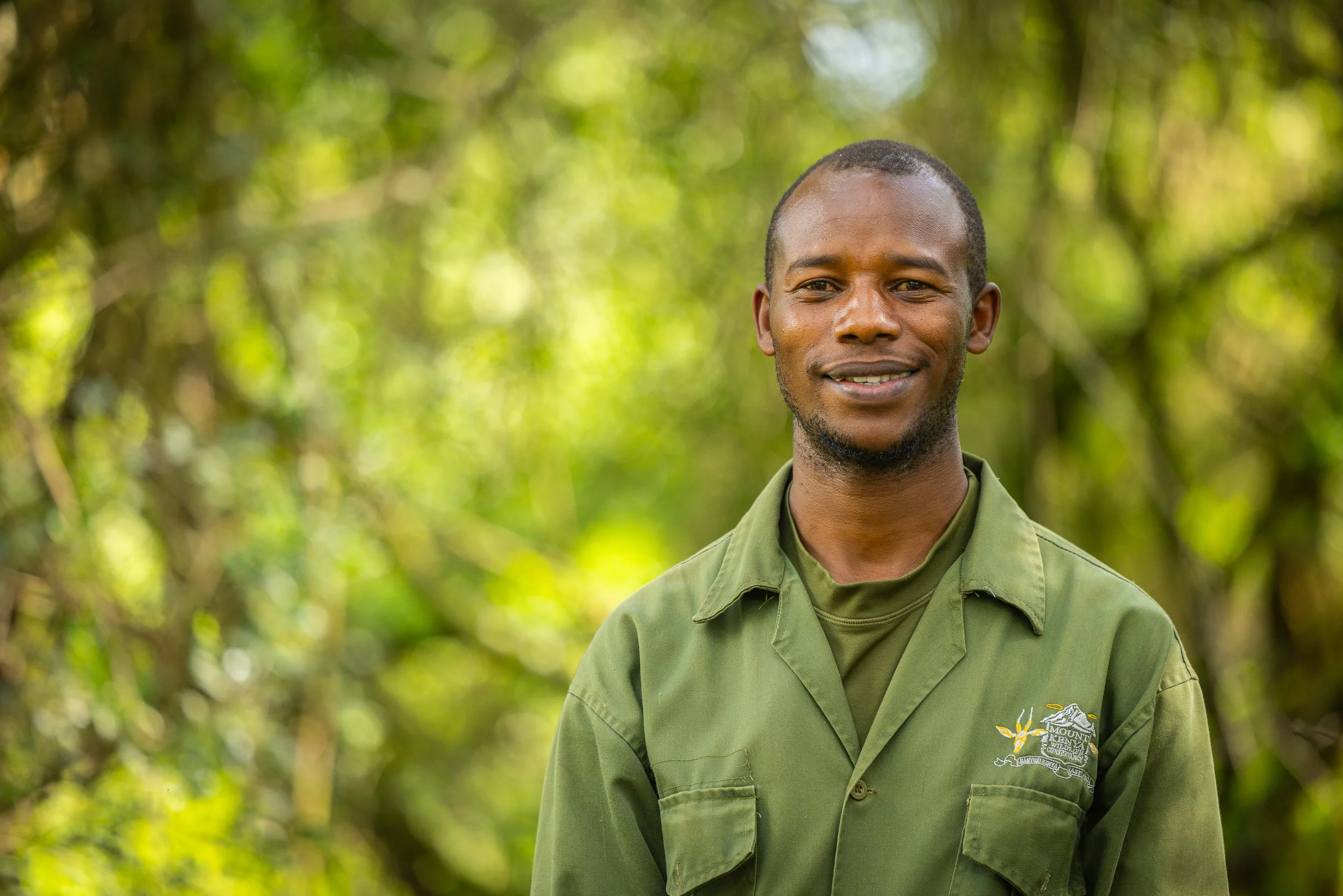
A portrait of Erick Kibet Ngeno, Wildlife Officer at Mount Kenya Wildlife Conservancy
In 2017, Erick Kibet Ngeno was a university student on a campus field trip to Mount Kenya Conservancy, when he first saw a Mountain Bongo. He didn't know then that he was looking at his life's work. He just knew the animal was extraordinary and that the people around it cared about it in a way that was different from anything he had seen before. He applied for an internship. When a permanent role opened up, he applied again. In December 2018 he arrived at Mount Kenya Wildlife Conservancy as an intern. In 2021 he became a Wildlife Officer. He has been there ever since and the bongos have never let him go.
A Calling Built on Precision
Eunice (read the whole story for Eunice here) fell in love with the bongos. Erick studied them. The distinction matters not because one approach is better than the other, but because the Mountain Bongo needs both. It needs the keeper who arrives every morning full of tenderness, and the officer who reads an ecosystem the way an engineer reads a blueprint. For Erick, nature is not a feeling. It is a system.
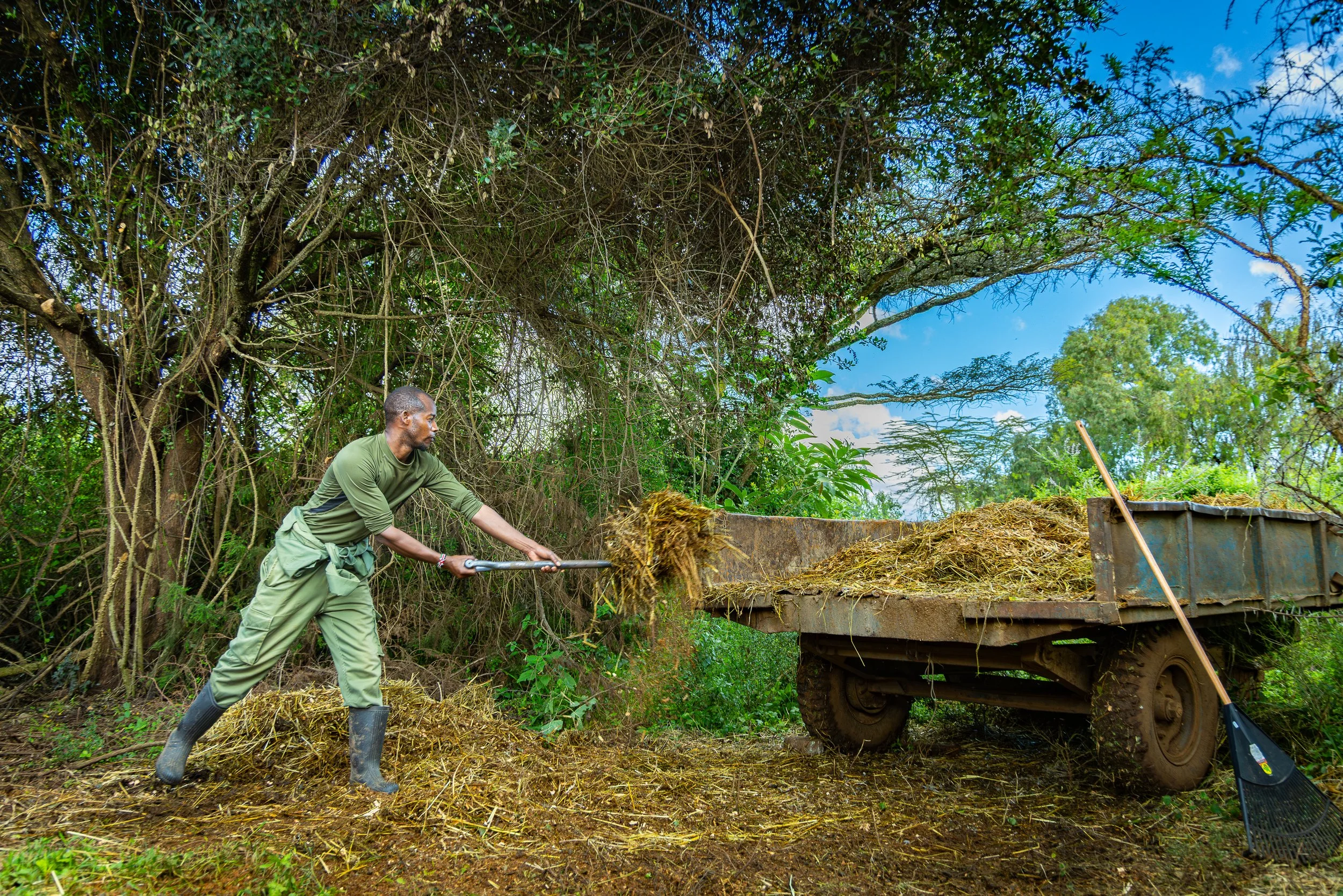
Kibet cleaning the area where the four new male bongos are currently being held, Read about them here
“To me, nature is the complex system that keeps everything alive, including us,” he says. “It’s interdependent, efficient, and often more elegant than anything humans design. It’s also the baseline against which we measure damage and recovery.”
That framing nature as baseline tells you everything about how Erick approaches his work. When a calf is born underweight, when an enclosure shows signs of stress, when a bongo's feeding behaviour shifts overnight, Erick is not responding to a feeling. He is reading data. He is measuring deviation from a baseline. He is making a decision.
“What keeps me here is that I want to see these animals in the wild. Not my grandchildren seeing them in books.”
The Reality Nobody Photographs
Most people picture conservation as something photogenic. Erick will tell you otherwise.
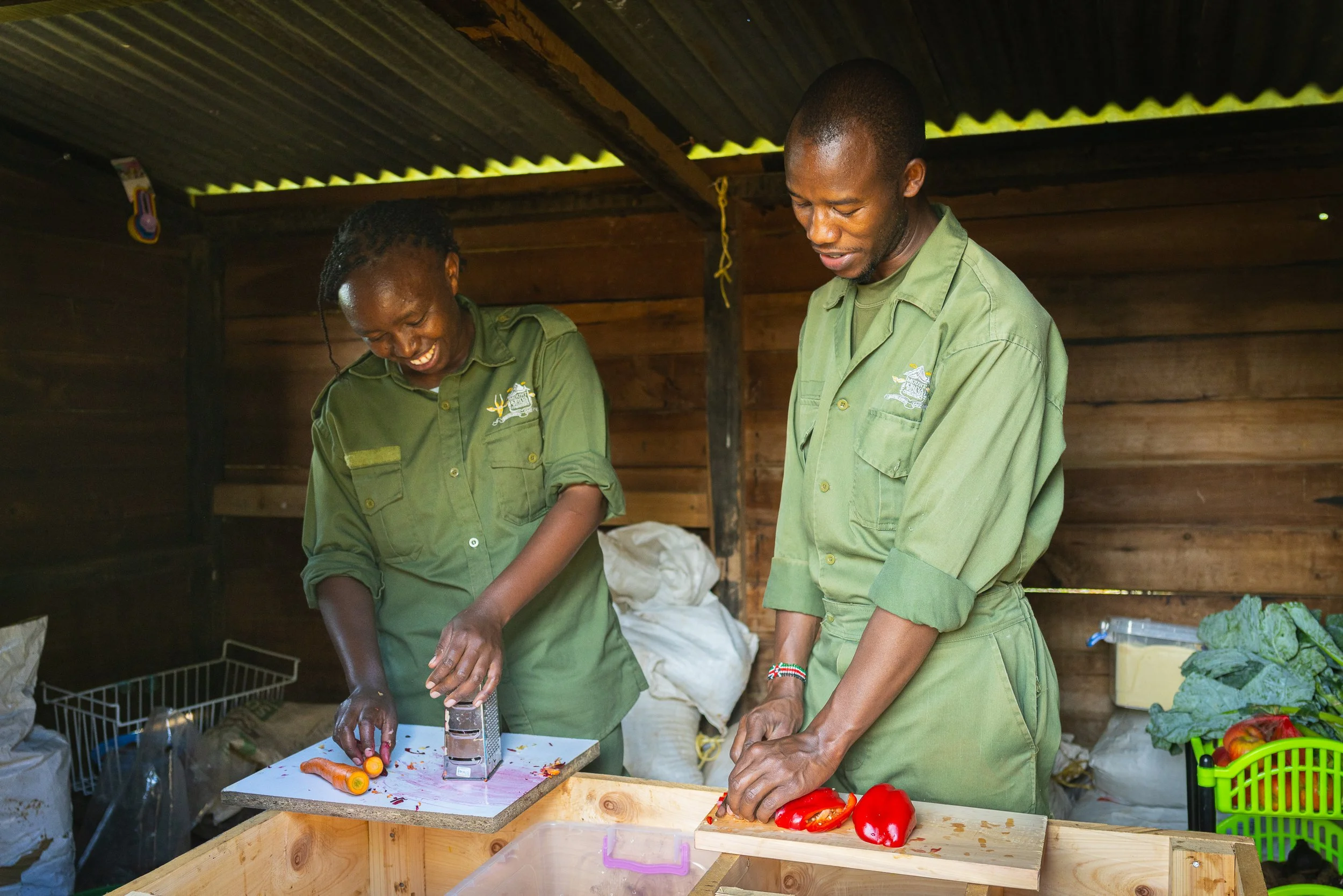
Kibet and Christine preparing meals for new bongos at the conservancy.
“People think it’s all cute animals and photos,” he says. “The reality is 80% logistics, paperwork, biosecurity, nutritional management, and night shifts.”
Conservation, in his experience, is not a series of breakthrough moments. It is a long, slow accumulation of correct decisions made under pressure, in the dark, with incomplete information.
Progress is slow. Setbacks are common. The Mountain Bongo with fewer than 100 estimated to survive in the wild, confined to Kenya's highland forests does not afford the luxury of quick wins. Every choice carries weight.
For Erick, that weight is not a burden. It is a reason to be precise.
Eburu, Eldama, and Eliana
If you want to understand what Erick does, start with two bongos named Eburu and Eldama. Eburu delivered Eldama but she didn't have enough milk to suckle her calf. The conservancy intervened, placing both in the nursery together, a careful arrangement designed to allow the mother to bond with her calf while the team provided the supplemental care Eldama needed to survive. Erick was the one tasked with handling them. What happened next was remarkable. Bongos are fiercely protective of their young aggressive toward any human presence near a calf. But Eburu gave Erick something rare: she allowed him to care for Eldama in her presence. She watched. She accepted. She trusted.
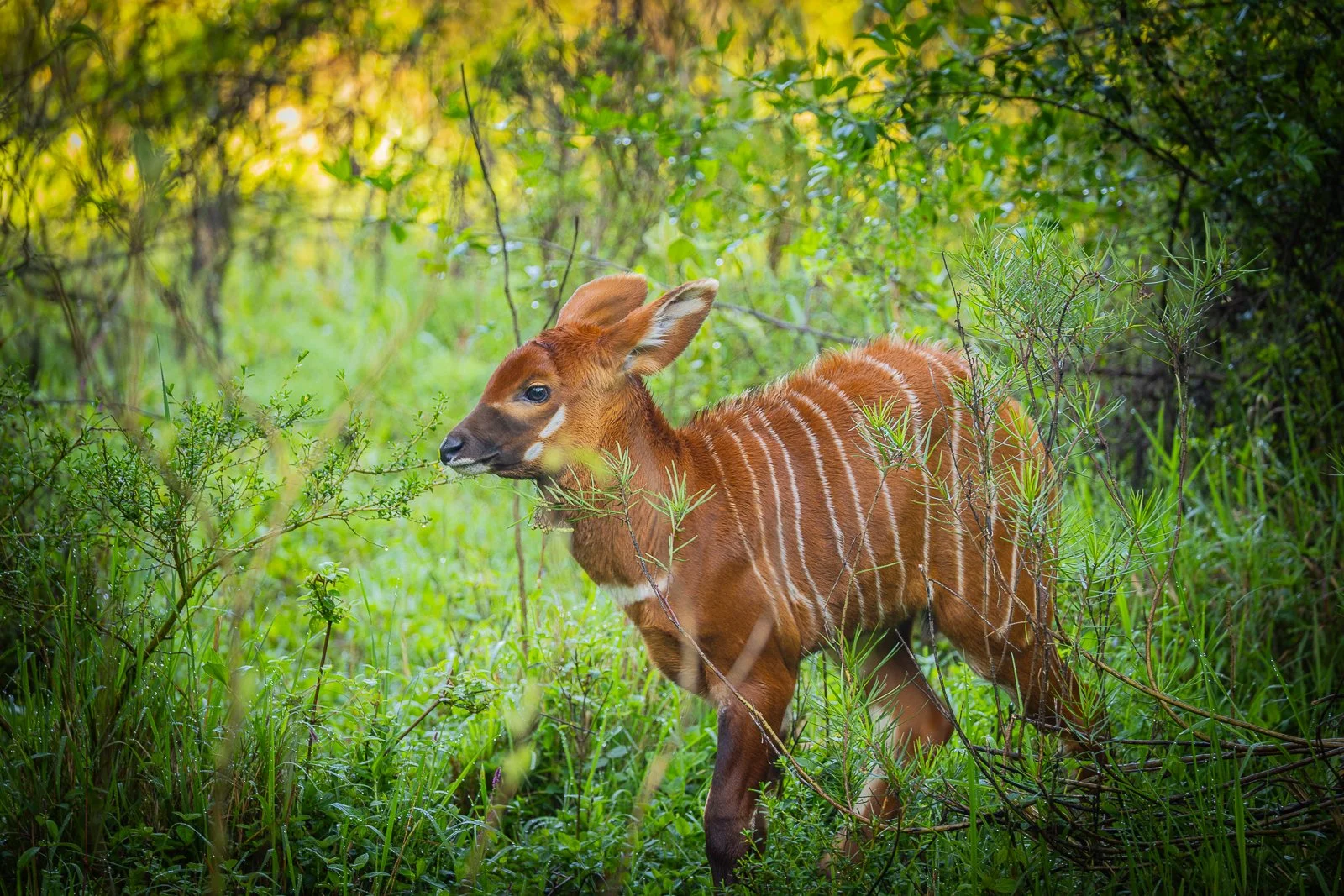
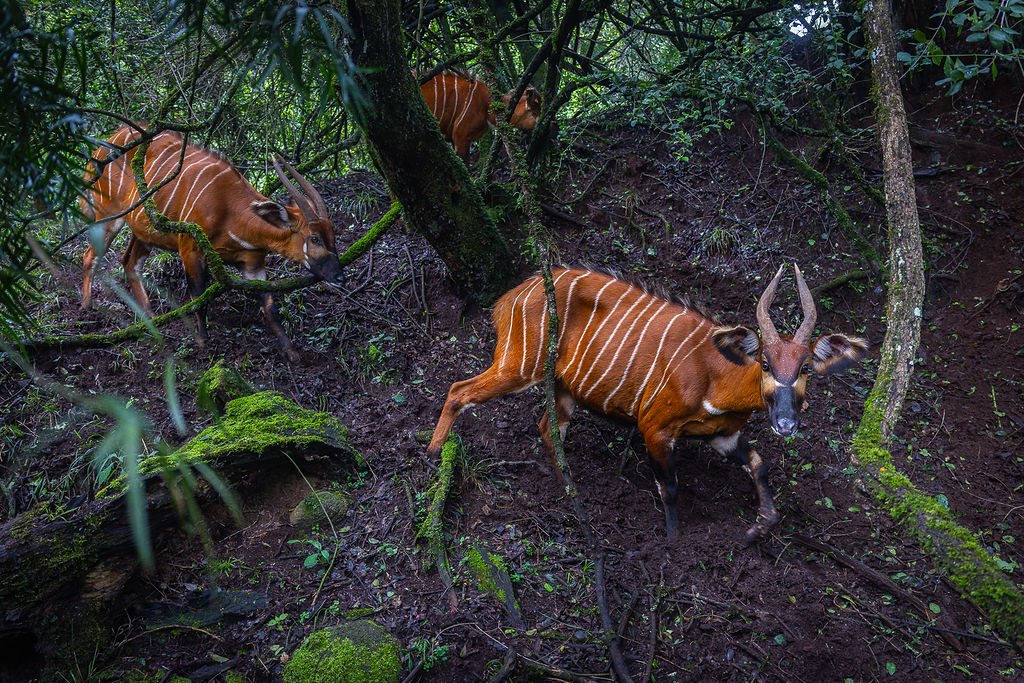
Eldama made it. She grew. And in a moment that Erick describes with the quiet pride of someone who has watched years of careful work pay of, Eldama delivered her own first calf, a healthy female named Eliana. She is now pregnant with her second. Three generations. One Wildlife Officer who showed up for all of them.
“That’s a unique characteristic; bongos are always aggressive whenever their young ones are around. She gave me the opportunity. I am glad they both made it.”
The Three He Carries With Him
Eburu The mother who trusted Erick with her calf when every instinct told her not to. Her decision made everything else possible.
Eldama Born in the nursery, hand-supported, loved into survival. Now a mother herself proof that the intervention worked.
Eliana Eldama's first born. Healthy. The third generation of a lineage that almost didn't make it. A second calf is on the way.
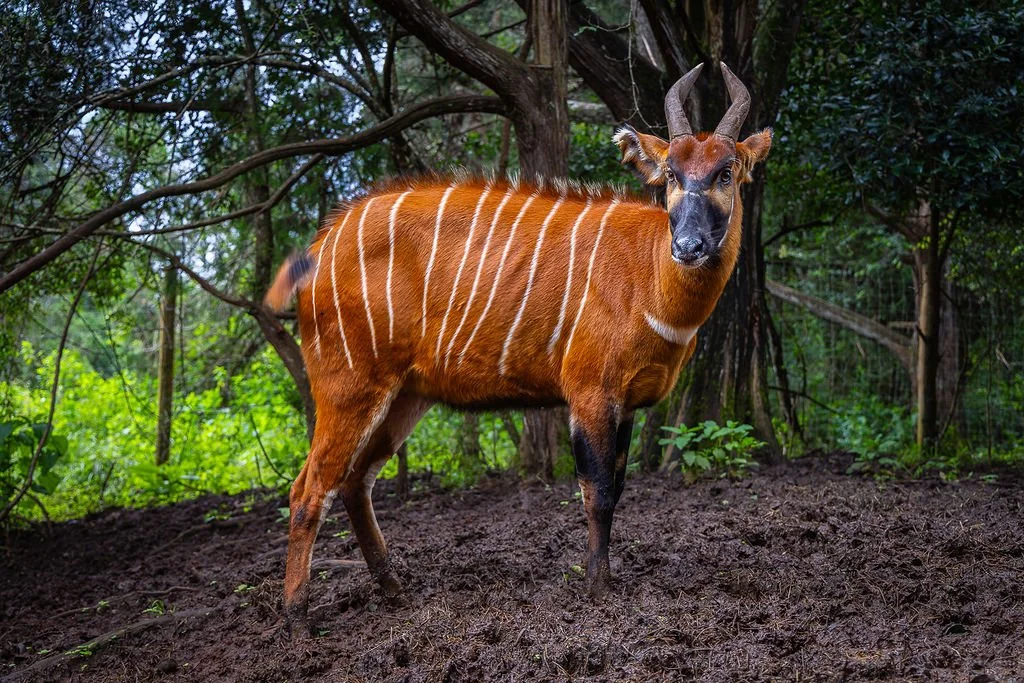
When Erick explains why he does this work, he doesn't reach for sentiment. He reaches for ecology.
"Losing species like the mountain bongo doesn't just mean one animal gone," he says. "It unravels relationships in the ecosystem and erodes genetic diversity we might need later." He pauses. "Plus, people clearly value it intrinsically."
That last sentence is the most revealing. Erick knows the science cold. But he also understands that science alone does not save species. People do. And people respond to things they value which is why the Wildlife Leaders Project exists, and why Erick agreed to be part of it.
What He Would Tell You
“Support organizations doing real field work, not just awareness.” He is direct about this. Awareness without action is noise. “Reduce waste and consumption where you can; it reduces pressure on habitats. Learn the species and issues in your own area. People protect what they understand.”
He adds one more. "Vote and engage with policy when it affects land and wildlife. Small, repeated actions beat one-off grand gestures." For Erick himself, the work doesn't stop when the shift ends. His idea of rest is watching other animals studying their behaviours, their interactions with other species. The curiosity that brought him to this conservancy as a student has never left. It has simply become professional.
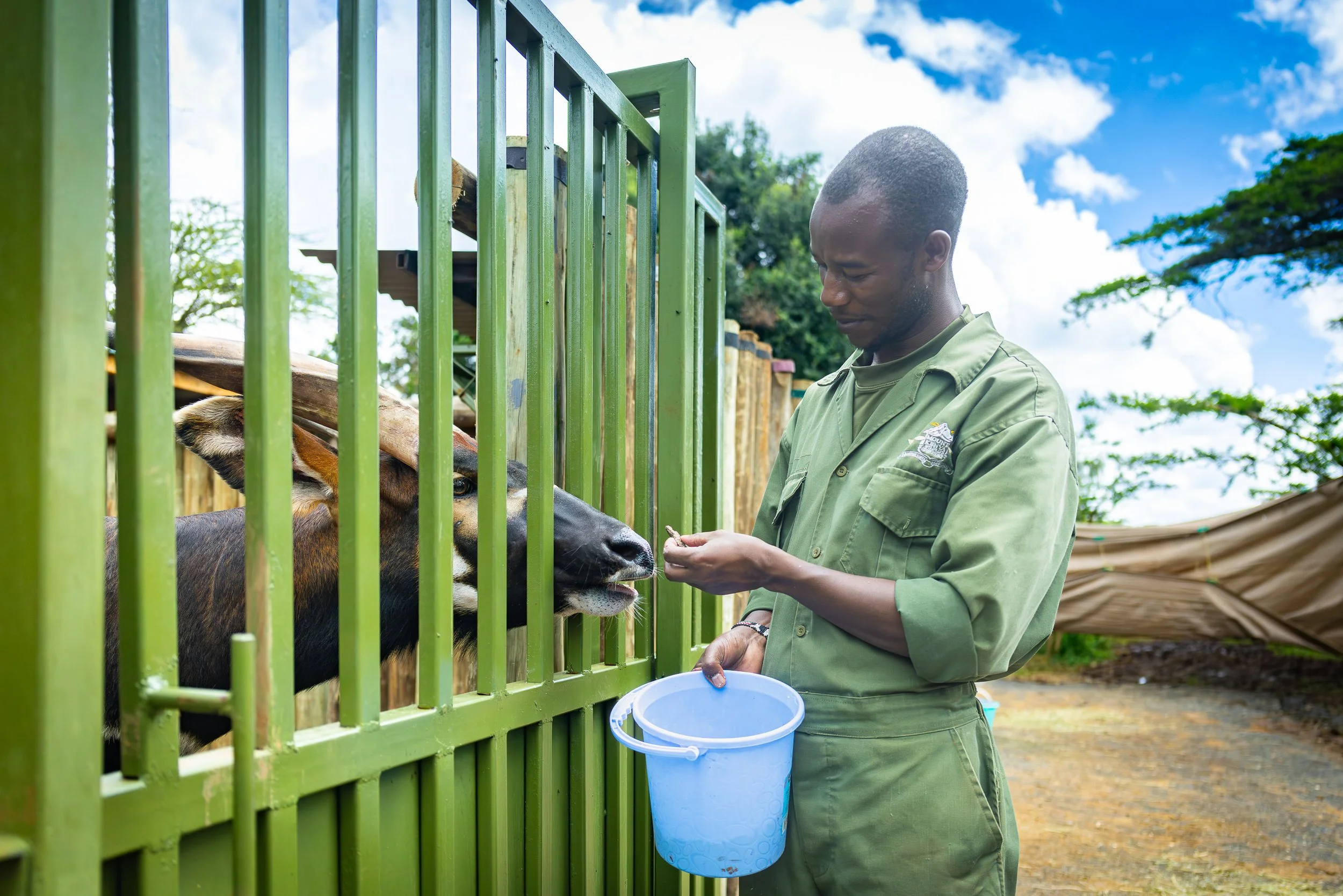
Three generations of bongos exist, in part, because Erick Kibet Ngeno showed up for the first one and never stopped showing up.