The Woman
Who Loves the Bongos
A portrait of Eunice Gikonyo, animal keeper & guardian of a vanishing species
“I ensure I give them love and support as they recover and grow. Because without nature, there is no future.”
Eunice Gikonyo · Animal Keeper, Mount Kenya Wildlife Conservancy · Wildlife Leaders Project
She was twelve years old, maybe thirteen, walking through the red soil and cool shade of Mount Kenya's forest edge when she first understood that the wild wasn't something you visited. It was something you lived inside of. Growing up in its shadow shaped her in ways she is still discovering.
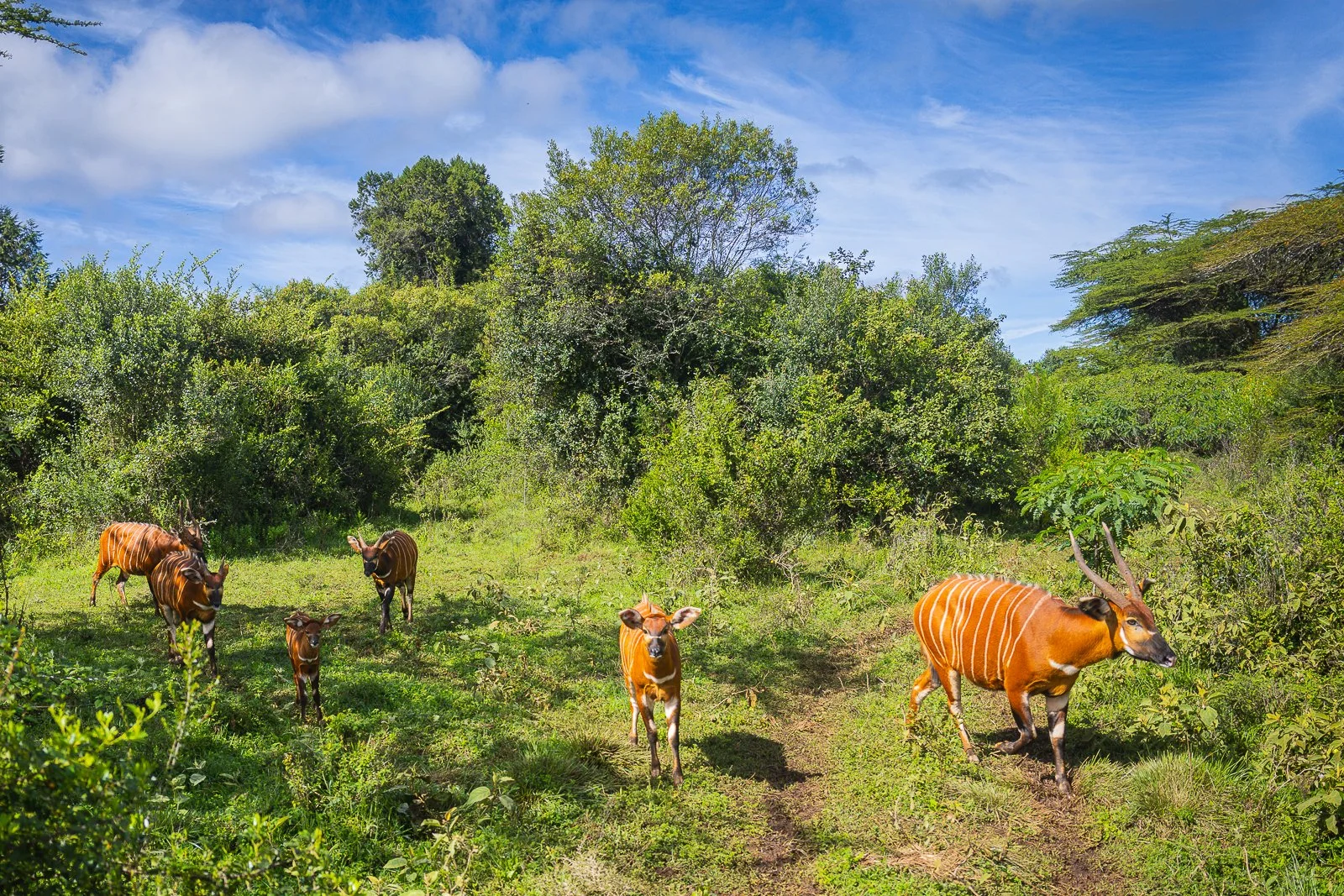
Eunice Gikonyo is an animal keeper at Mount Kenya Wildlife Conservancy, where she works daily with some of the rarest animals on earth the Mountain bongo, a critically endangered spiral-horned antelope whose chestnut coat is striped in white like a living painting
A Calling, Not a Career
“I wanted to do more than just admire wildlife. I wanted to actively protect it.”
Eunice didn't stumble into conservation. She walked toward it deliberately. Having lived near the Mt. Kenya forest since childhood, the desire to protect what she loved was always there, but passion alone wasn't enough. She studied wildlife management, determined to translate love into expertise.
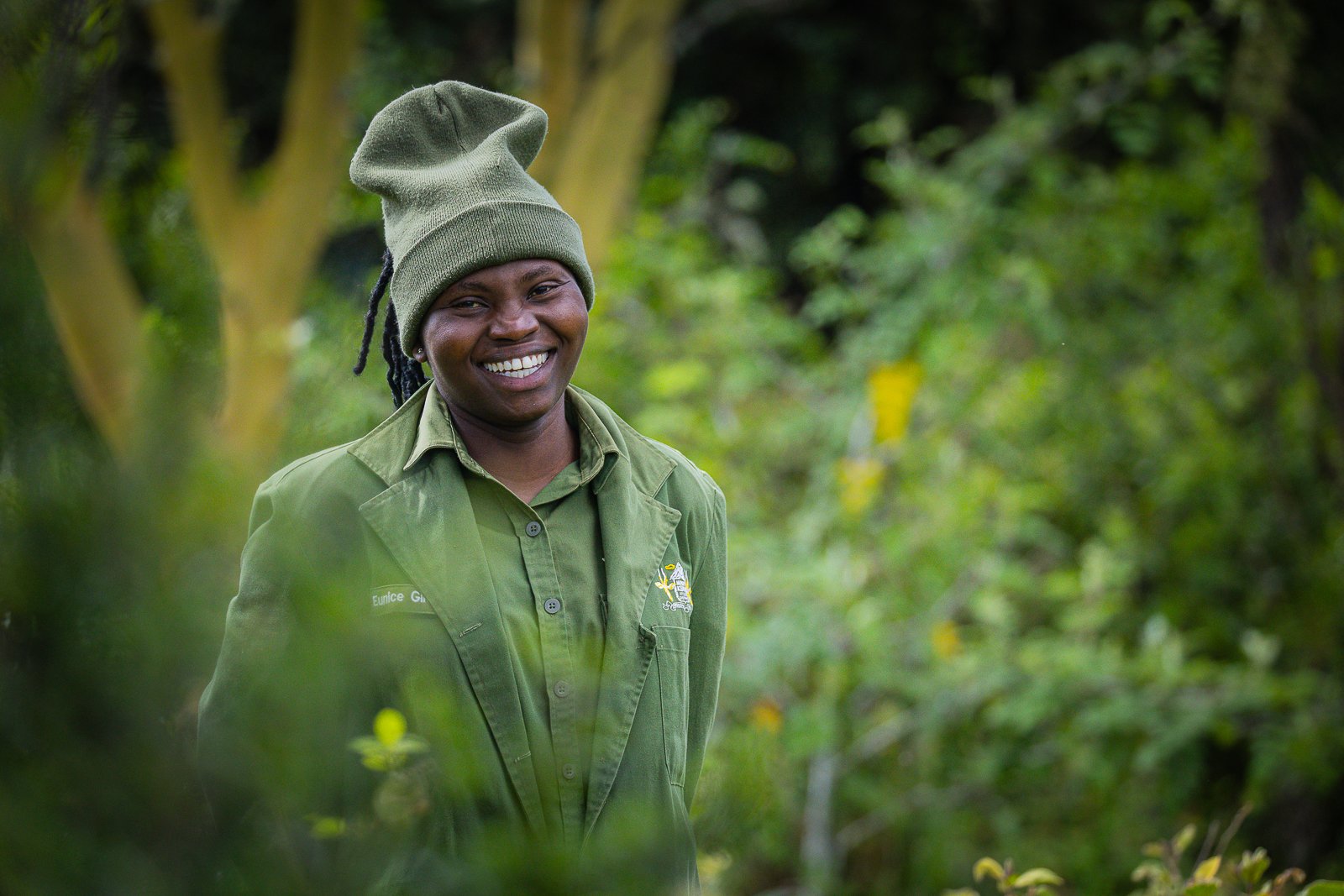
In 2022, that path led her through the gates of Mount Kenya Wildlife Conservancy for the first time as a staff member. And there they were the bongos. Enormous, quiet, extraordinary.
The First Encounter
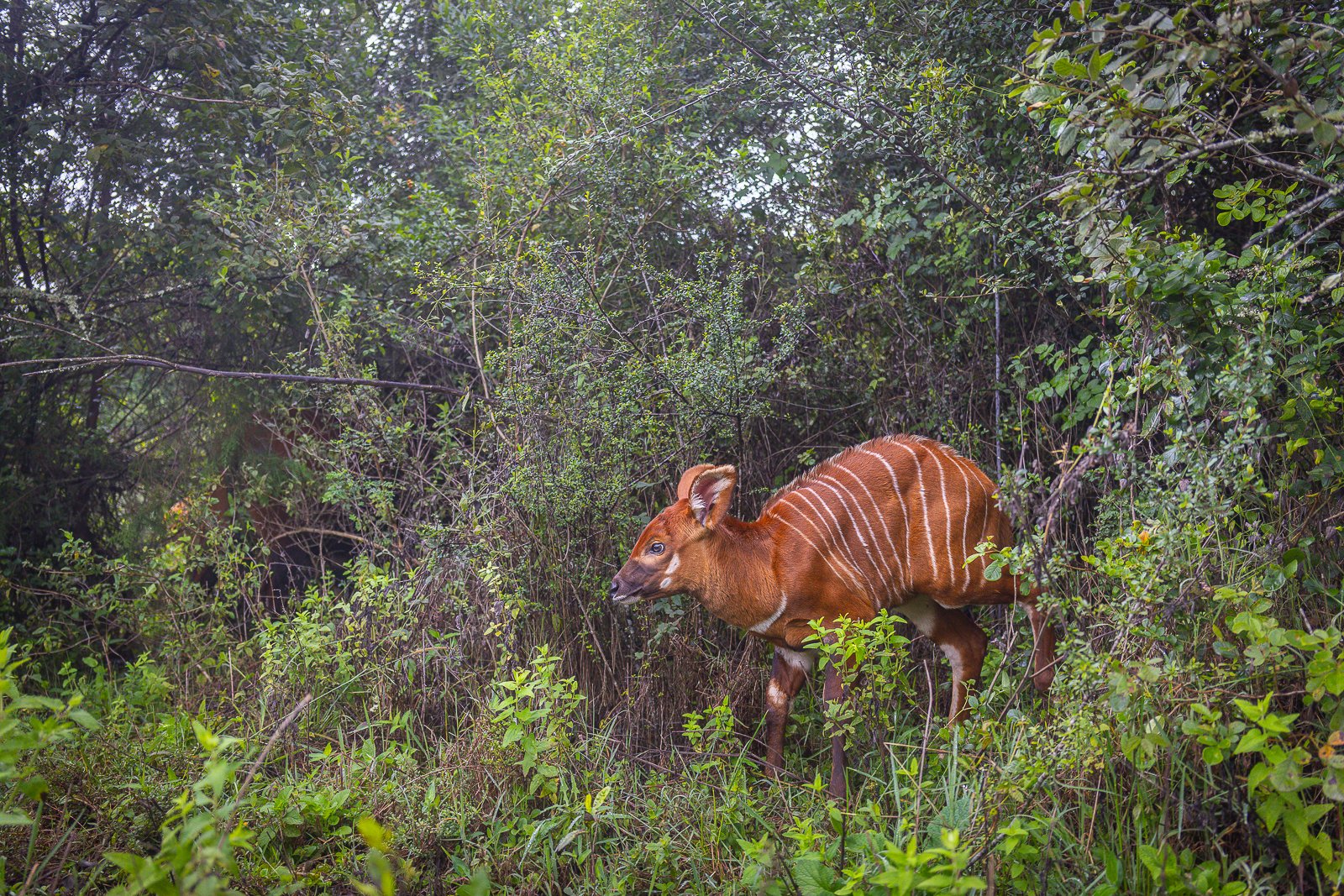
“Seeing one up close made me feel like I was in the presence of something special and precious.”
The bongos had found her once before. In 2010, as a schoolgirl on a class trip, she stood at the edge of an enclosure and looked into the eyes of a Mountain bongo for the very first time. Twelve years later, she would return — not as a visitor, but as a keeper. The girl who once marvelled from a distance now tends to these animals every morning, every season.
Her Favourite Five
Dhaabu: Fiercely motherly despite being challenged by the other females. Eunice also has a soft spot for her bent horns and the audacity with which Dhaabu has tried to pick a fight with humans.
Gremio: Another mother-hearted one extends her care even to calves that aren't hers. In a world where so much is territorial, Gremio's generosity stands out.
Tiki : Admired simply for his strength. Sometimes presence is its own statement.
Fanaka : Cheeky and untouchable you can't even get close. She also holds a historic distinction: the first bongo ever born in the sanctuary.
Mjukuu: "He is Mia's dad," Eunice says, with a grin that suggests that is entirely sufficient reason. Sometimes love needs no further explanation
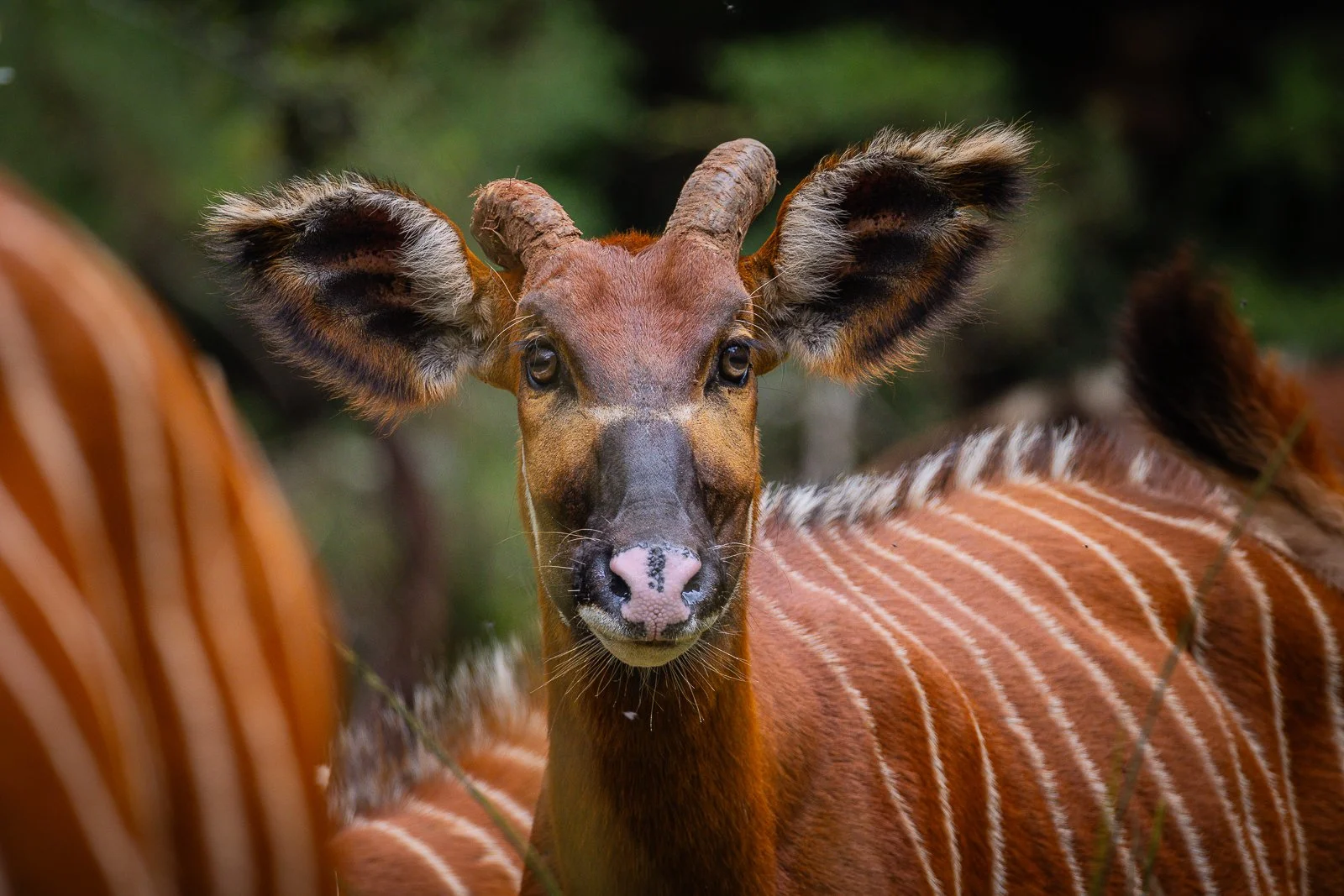
The Work Nobody Sees
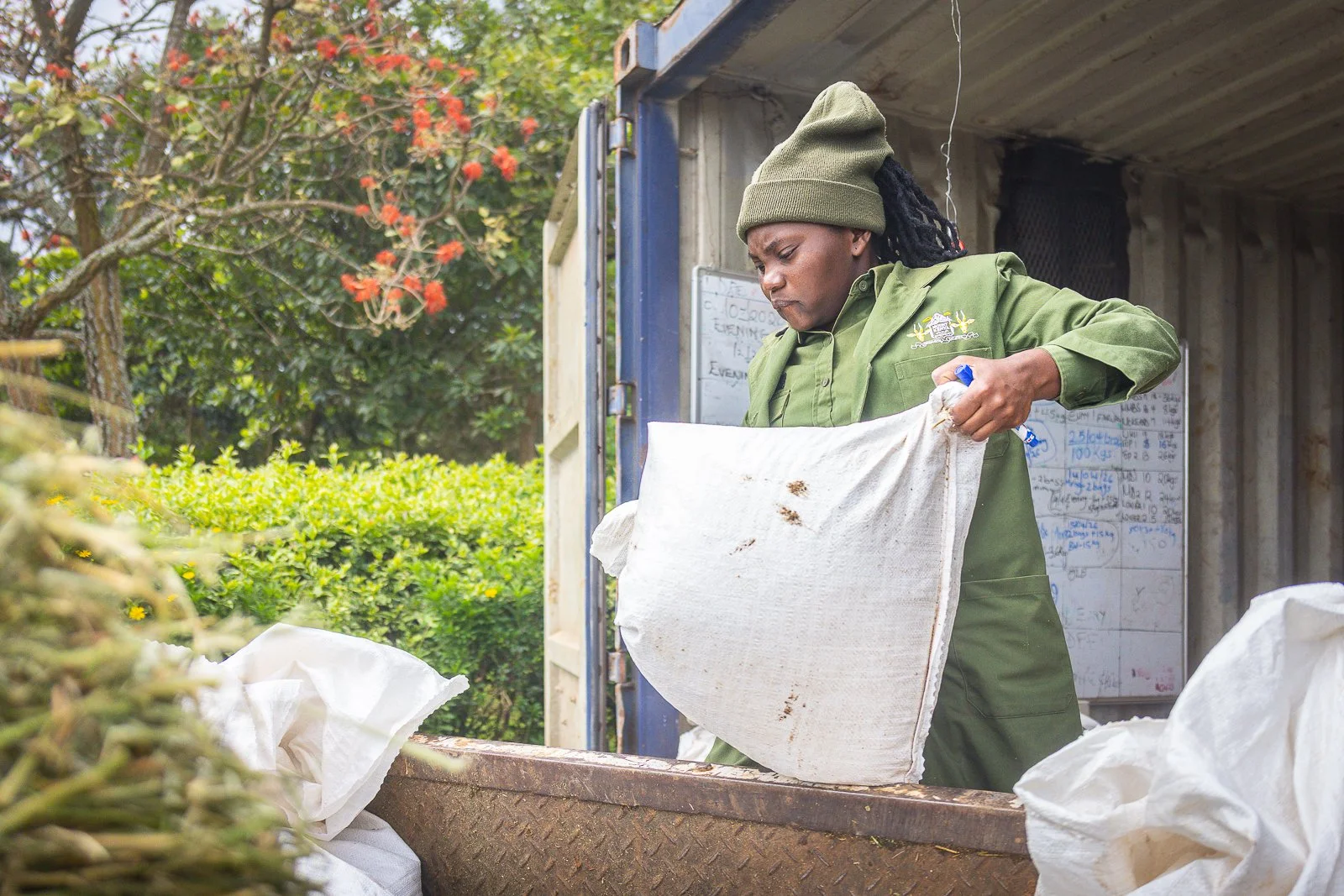
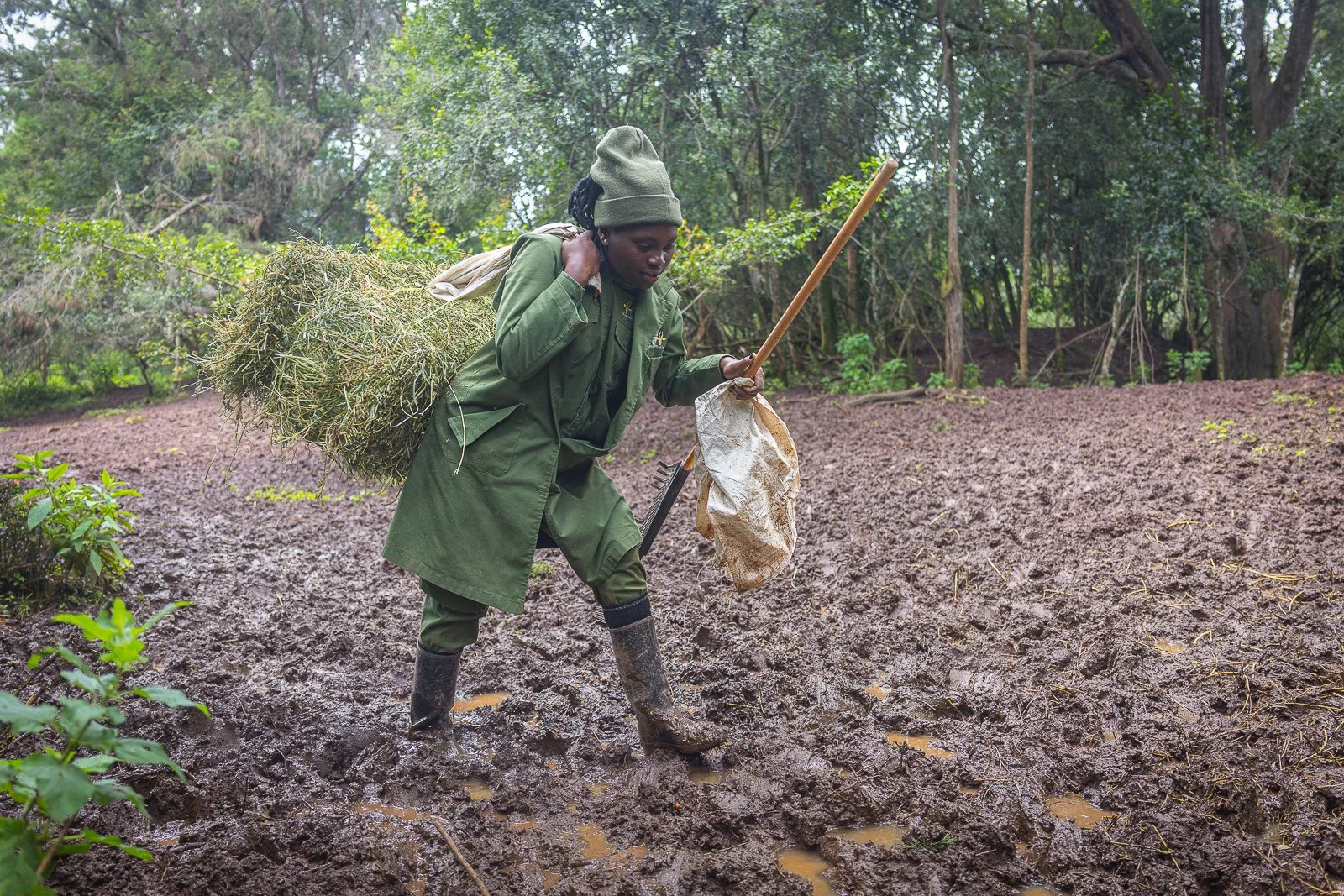
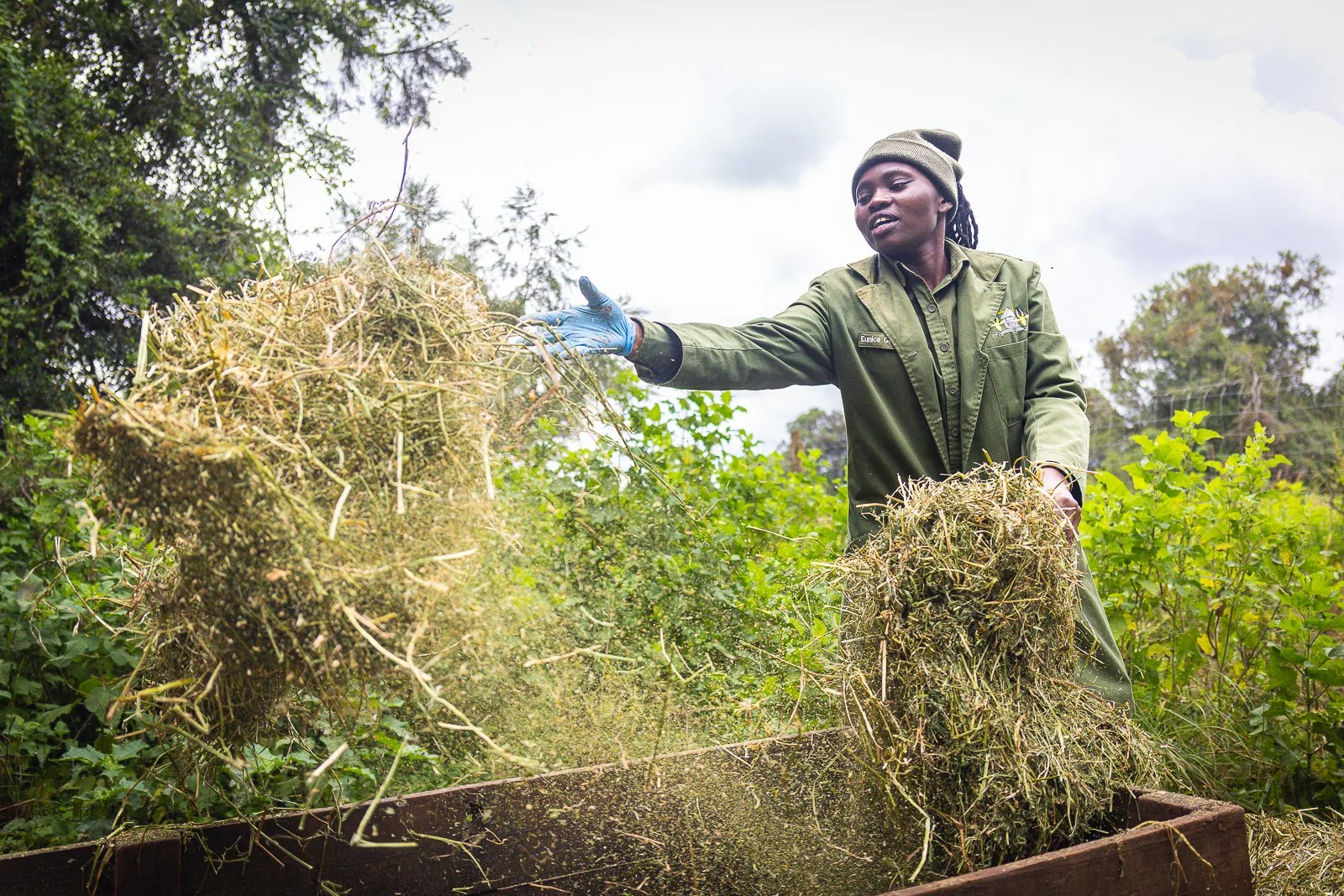
“Many people think it’s just fun and taking pictures with animals. They don’t see the hard work behind it.”
Visitors often arrive expecting a kind of magic, the animals, the scenery, the photographs. What they rarely imagine is what happened before they got there. The early mornings. The physical labour of cleaning enclosures and hauling feed in all weather. The emotional weight of caring for animals that depend on you completely, animals who cannot tell you when something is wrong.
Eunice doesn't resent this misunderstanding but she names it honestly. Conservation is not a lifestyle brand. It is labour. It is responsibility. It is showing up on the difficult days as readily as the beautiful ones.
What Nature Means
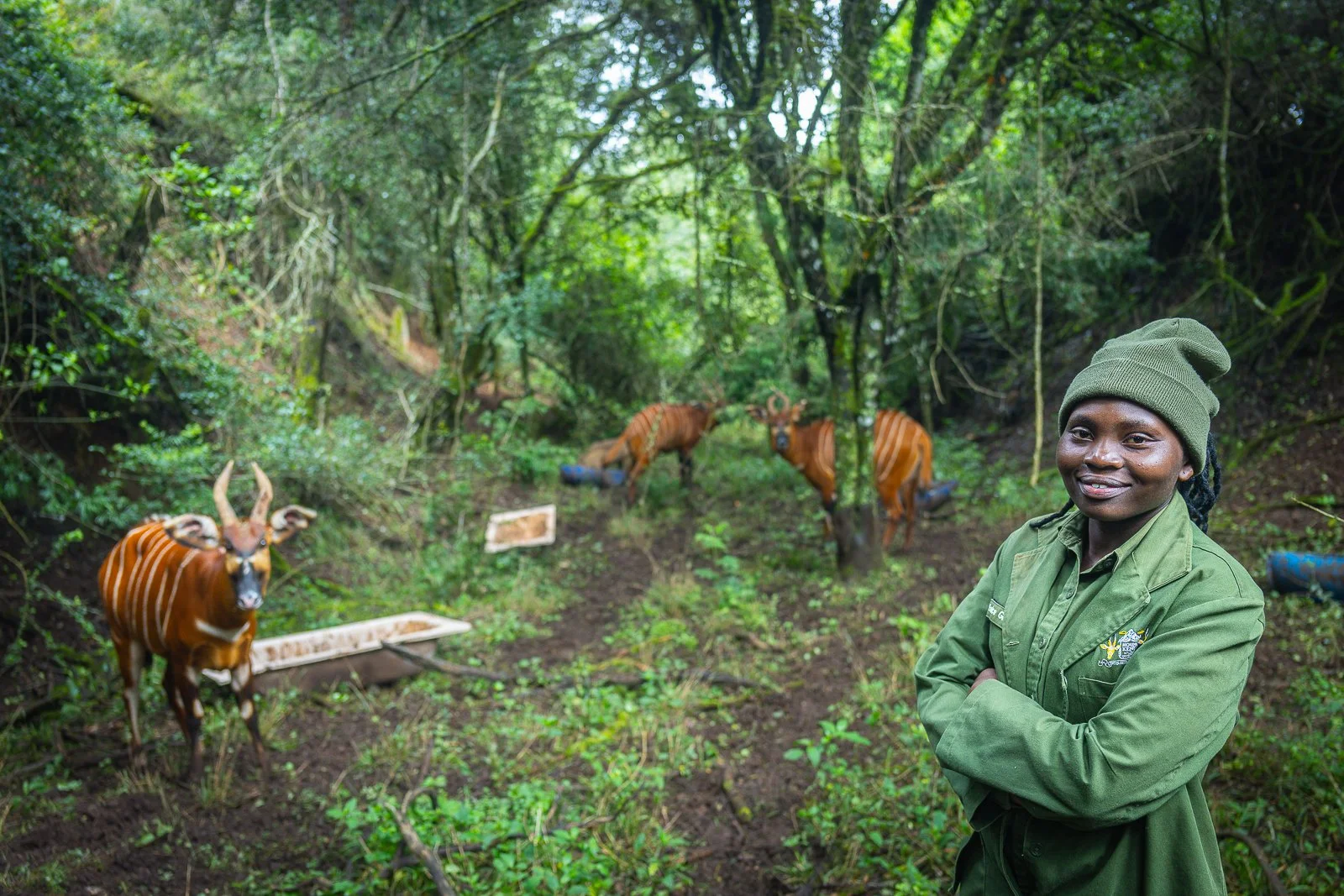
Ask Eunice what nature means to her and she doesn't hesitate. "Life, peace, and balance," she says. "It feels like home." She speaks of it not as backdrop or resource, but as relationship something you are woven into rather than standing apart from.
“Wildlife, forests, and ecosystems are essential for clean air, water, climate balance, and survival. Protecting nature is protecting life.”
What She Would Tell You
If Eunice could send one message beyond the conservancy's boundaries, it would be this: start small, but stay consistent. Avoid littering. Reduce plastic use. Respect the wild. Plant trees. Support conservation programs. Educate the people around you. None of it is too small. All of it matters.
“Even educating others is a big contribution.”
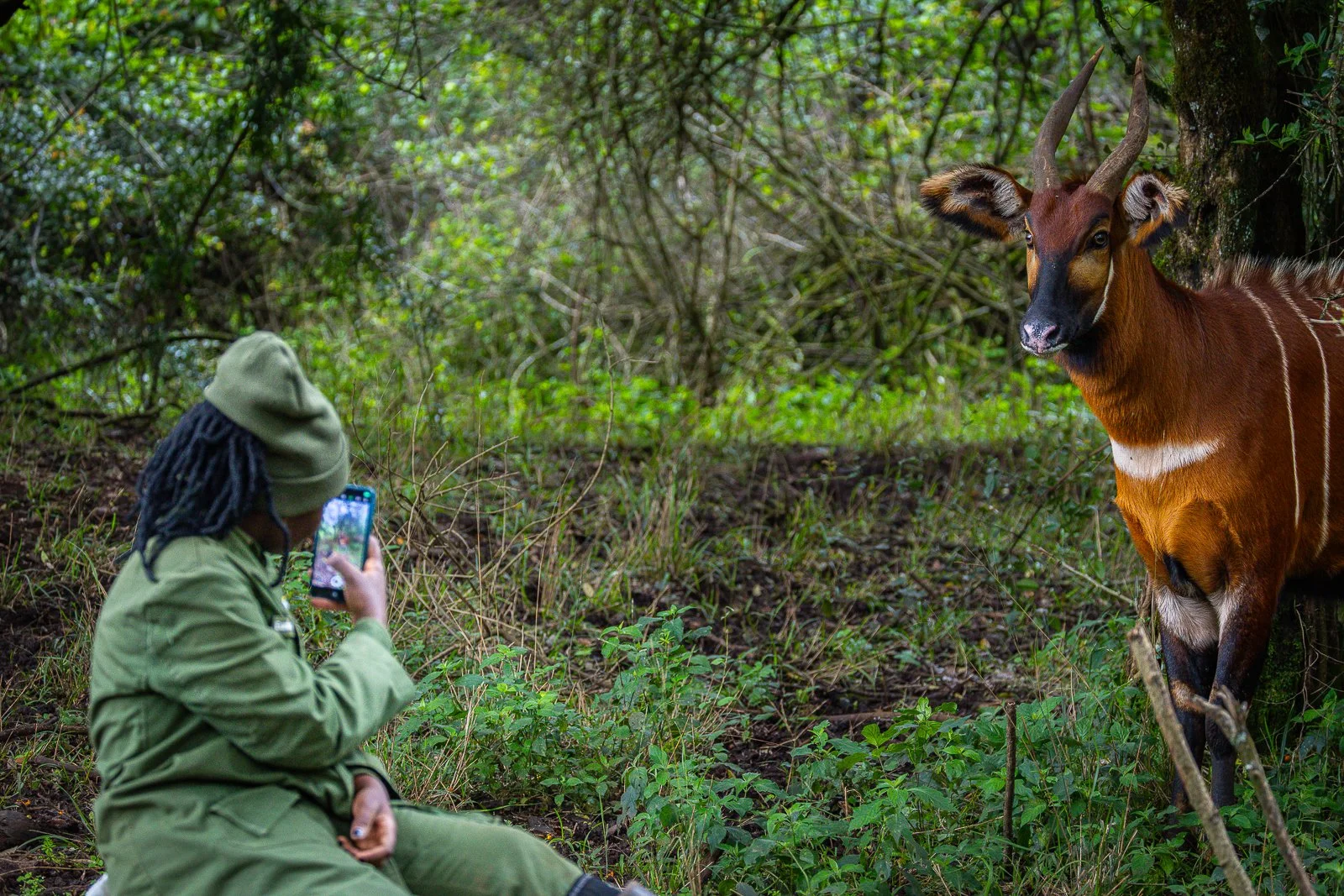
And when the bongos are fed and the enclosures are clean and the day's work is done, Eunice rides her bicycle, listens to music, takes walks through the very nature she protects, and watches football with the loyalty of a lifelong Manchester United supporter. She is, in the end, a person who has found a way to make her love useful.