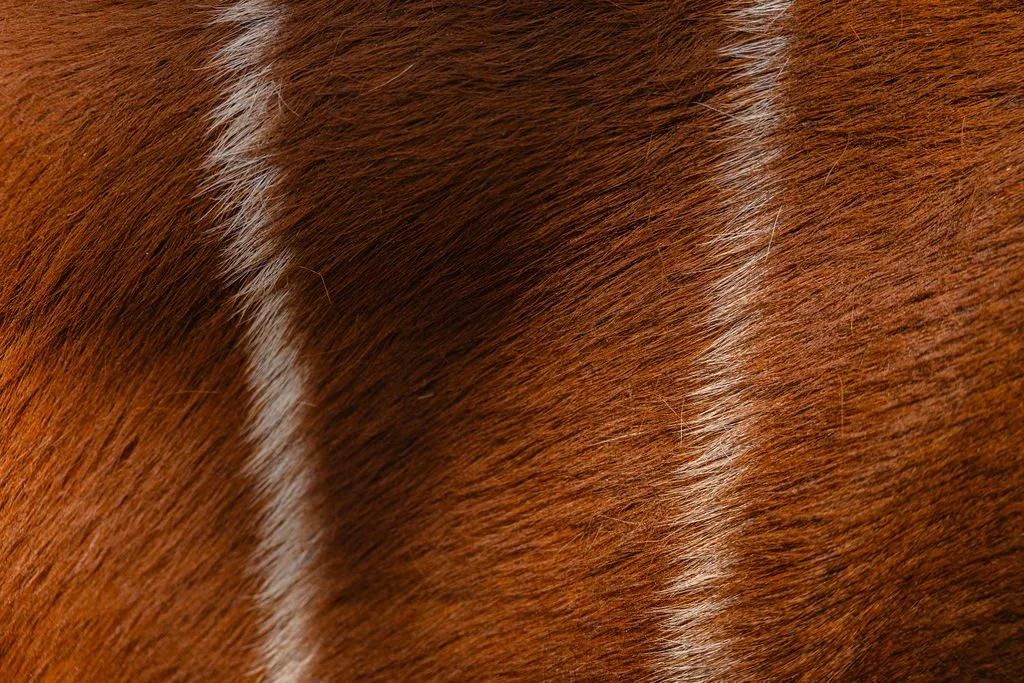
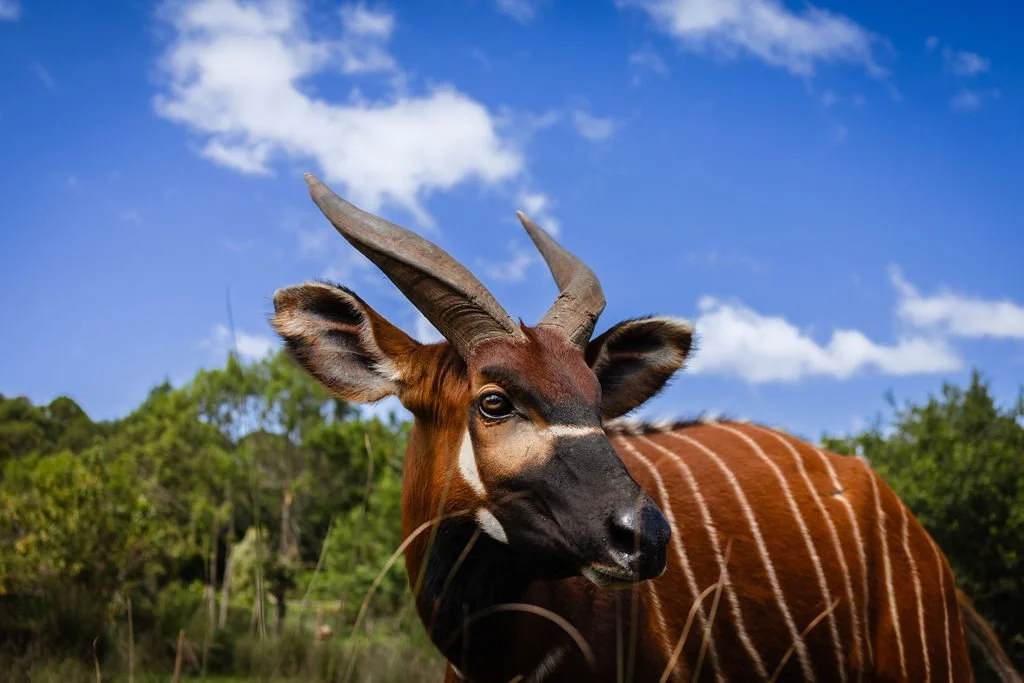
In the cool, mist-laced forests of Kenya’s highlands, something beautiful is happening. You won’t hear it before you see it. And even then, you might miss it.... The bongo, once pushed to the brink, is finding its way home.
A Forest That Forgot
There was a time when the mountain bongo moved freely across Kenya’s montane forests, the Aberdares, Mount Kenya, and the Mau Complex. These forests were dense, wet, and alive with complexity. The bongo belonged here, shaping the undergrowth as it browsed, part of an ecological rhythm that had no beginning and no clear end. But over time, that rhythm broke.
Forests were cut back. Farms expanded. Roads pushed deeper into once-remote areas. With them came people, livestock, and pressure. Bongos, already elusive by nature, became even harder to find. Poaching reduced their numbers further. Disease crept in from domestic animals. By the early 2000s, the forest had not just lost space, it had lost presence. The bongo was no longer a living memory for many. It had become a story.
The Idea of Return
Rewilding begins with a simple but radical idea: that loss is not final. In Kenya, this idea is taking root in the highlands. But rewilding here is not about letting nature “bounce back” on its own. The landscape has changed too much for that. Instead, it is an active process intentional, patient, and deeply human.
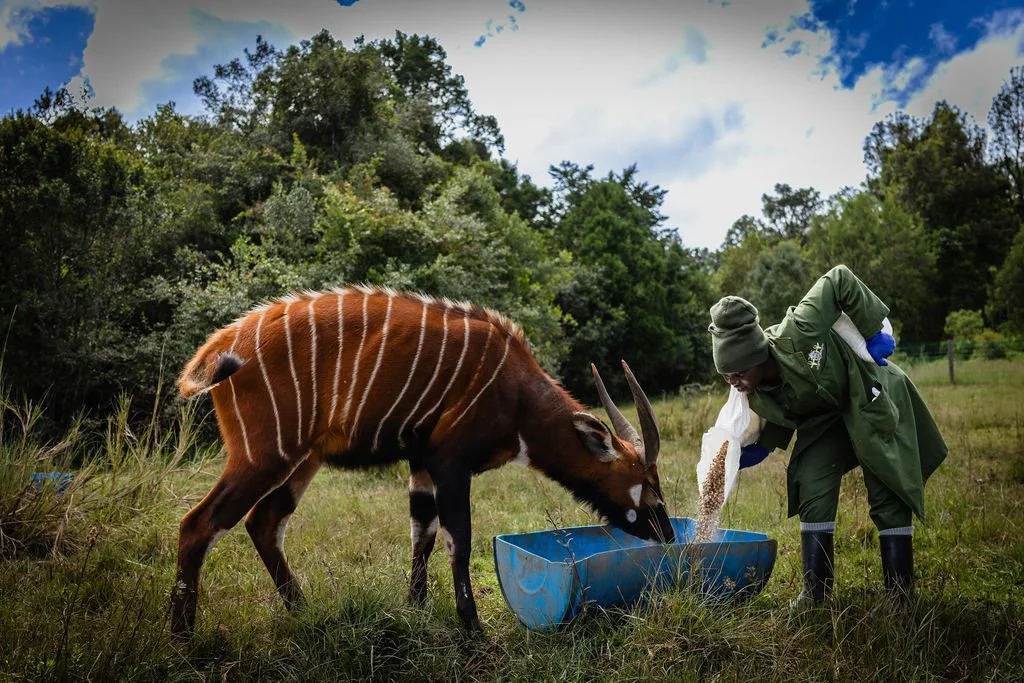
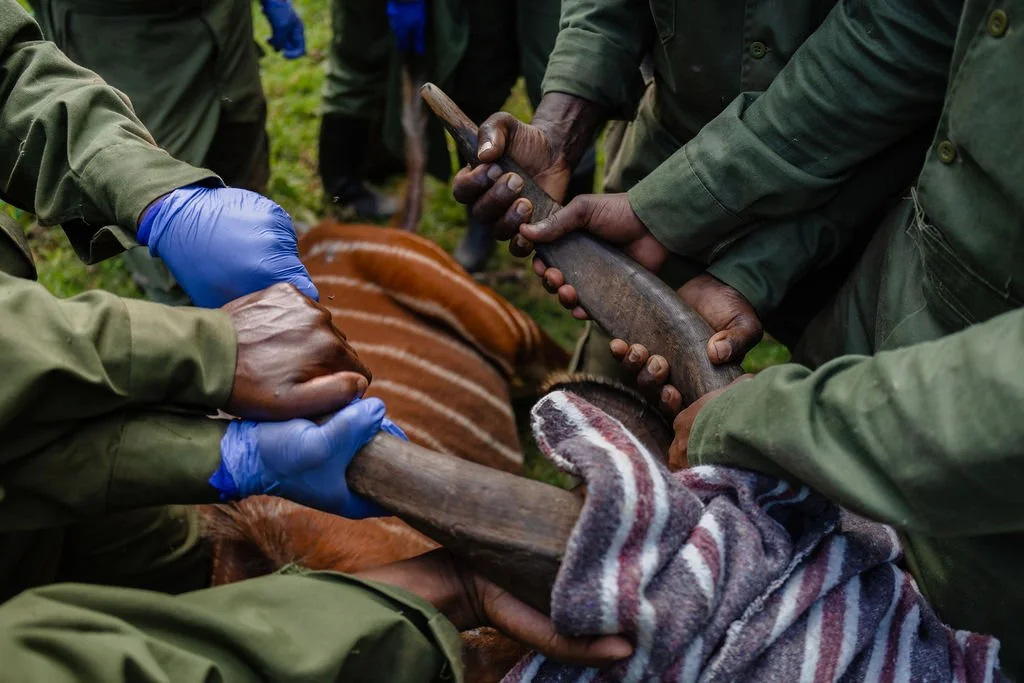
It starts in controlled sanctuaries, where bongos are bred and monitored. Some of these animals trace their lineage to individuals that left Kenya decades ago now returning through international breeding collaborations. Their offspring are raised with a future in mind: not captivity, but release. But releasing an animal is the smallest part of the work.
Rebuilding a System
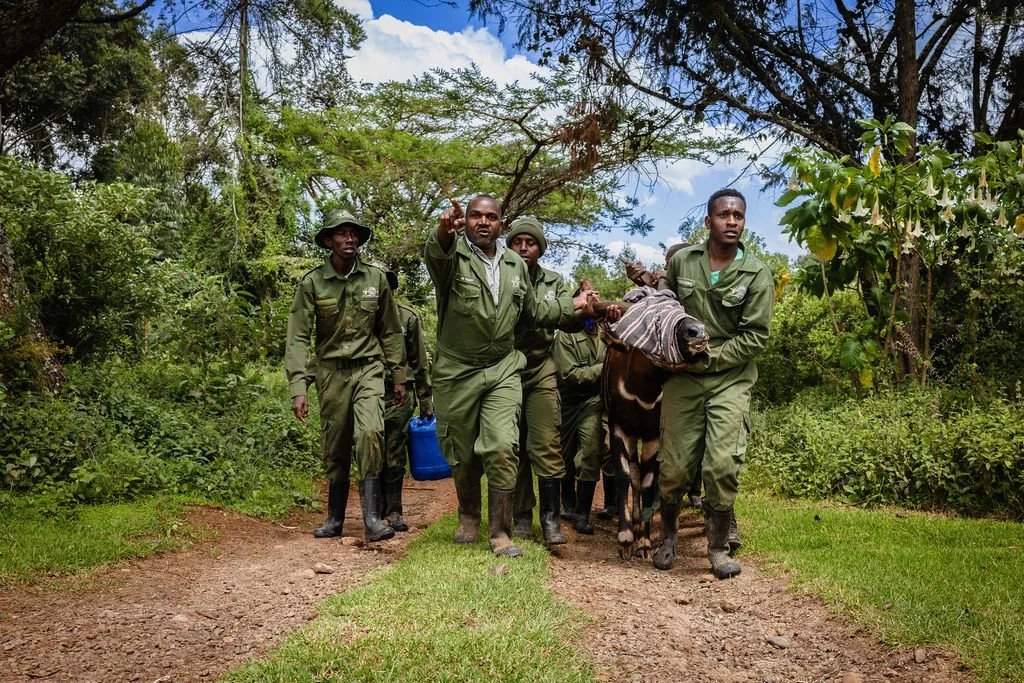
For a bongo to survive in the wild, the forest must be ready. That means restoring habitat, protecting water sources, allowing vegetation to regenerate, reconnecting fragmented patches of forest. It means reducing human-wildlife conflict, working with communities who live alongside these ecosystems. It means constant vigilance: anti-poaching patrols, disease monitoring, tracking movements.
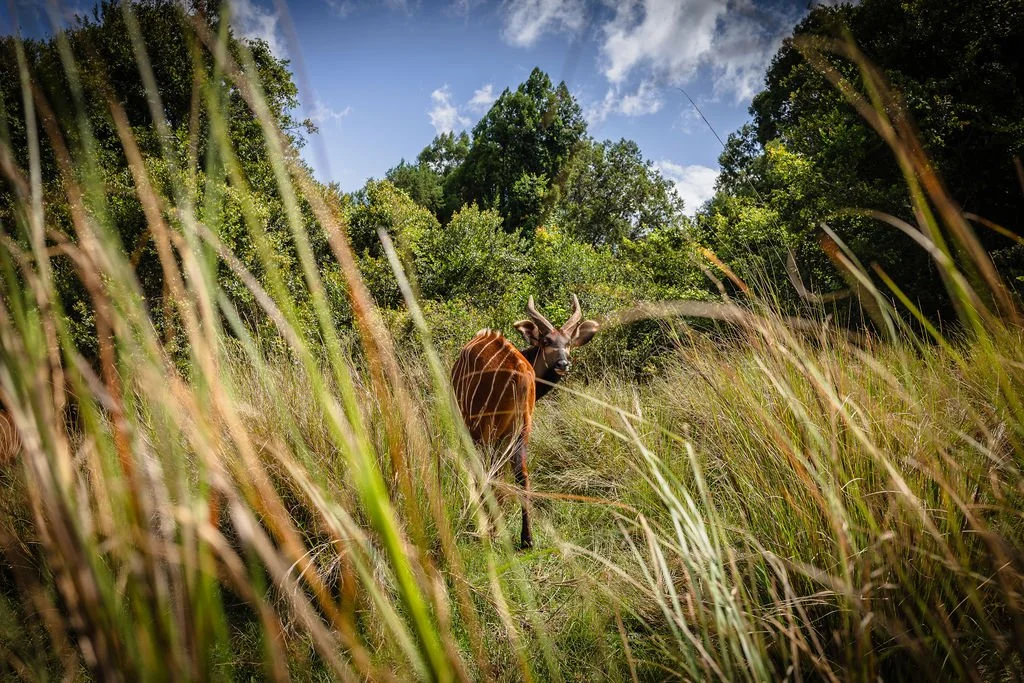
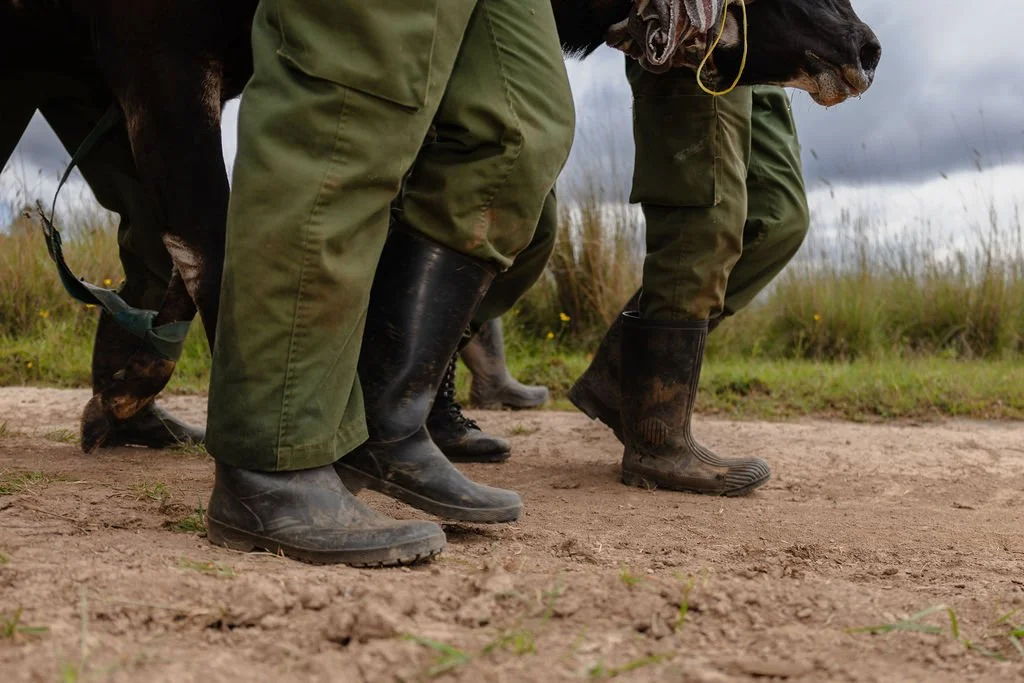
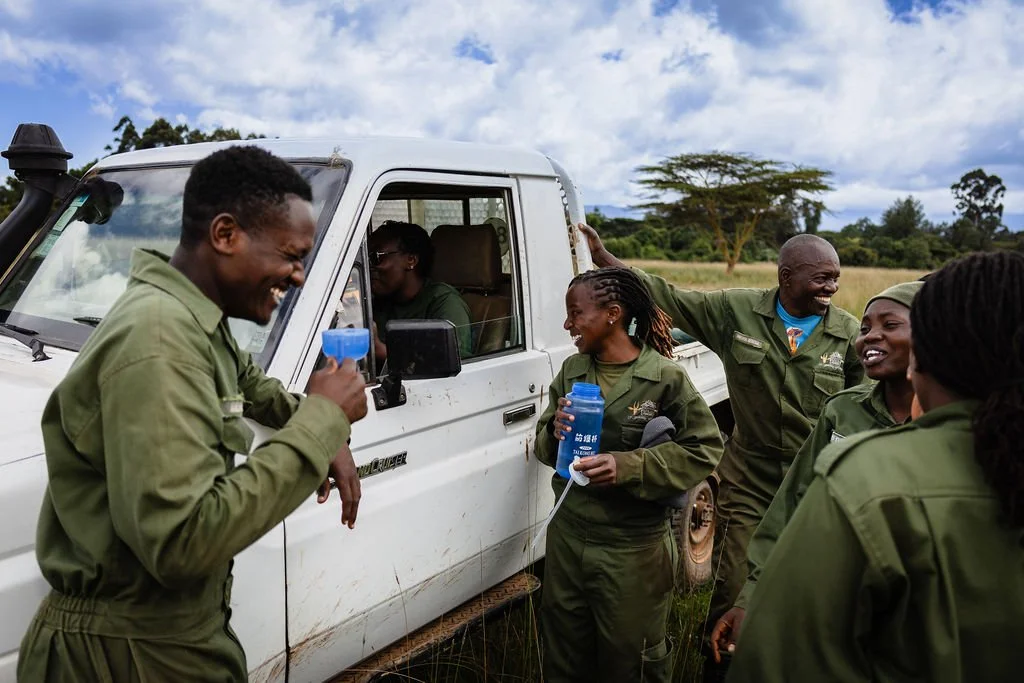
Rewilding, in this sense, is less about animals and more about relationships. In the field, this work is physical. Rangers move through tall grass and forest edges, reading signs most people would miss. They watch behavior closely how an animal feeds, how it reacts, where it moves. Every release is followed by months, sometimes years, of monitoring. There is no guarantee of success. But there is commitment.
The Moment of Release
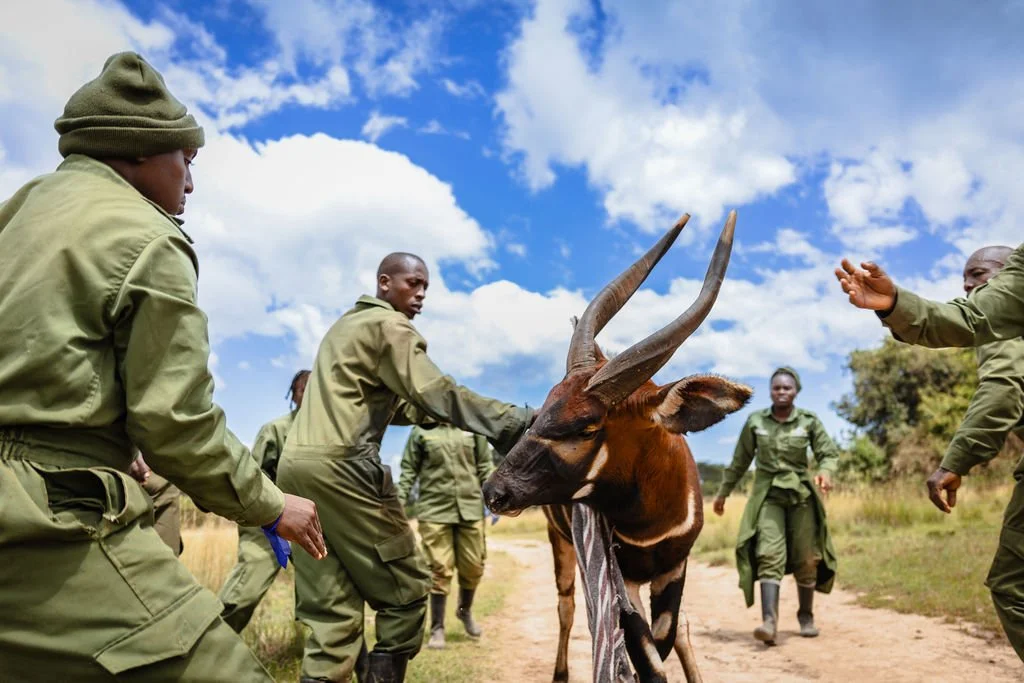
When a bongo steps back into the forest, it is not a spectacle. There are no crowds, no applause. Just a small team, watching quietly as the animal crosses an invisible line from managed space into uncertainty. For the bongo, this is instinct. For the people behind the process, it is something else entirely: the culmination of years of planning, risk, and belief. Some animals hesitate. Others move quickly, disappearing into vegetation that looks both familiar and foreign. The forest receives them without ceremony. And then the real test begins.
The Long Work Ahead
Rewilding the bongo is not a short-term project. It is a generational commitment. The goal is not just to increase numbers in isolated pockets, but to restore a functioning population animals moving freely across connected landscapes, interacting with their environment as they once did. That vision is still distant, but it is no longer impossible.
A Quiet Return
If you walk through Kenya’s highland forests today, you may still not see a bongo. But that doesn’t mean it isn’t there. It might be just beyond sight, moving carefully through the undergrowth. Watching. Adapting. Surviving.
Rewilding does not announce itself. It happens slowly, in fragments, in moments that are easy to miss. But taken together, those moments tell a different story now one not just of loss, but of return.
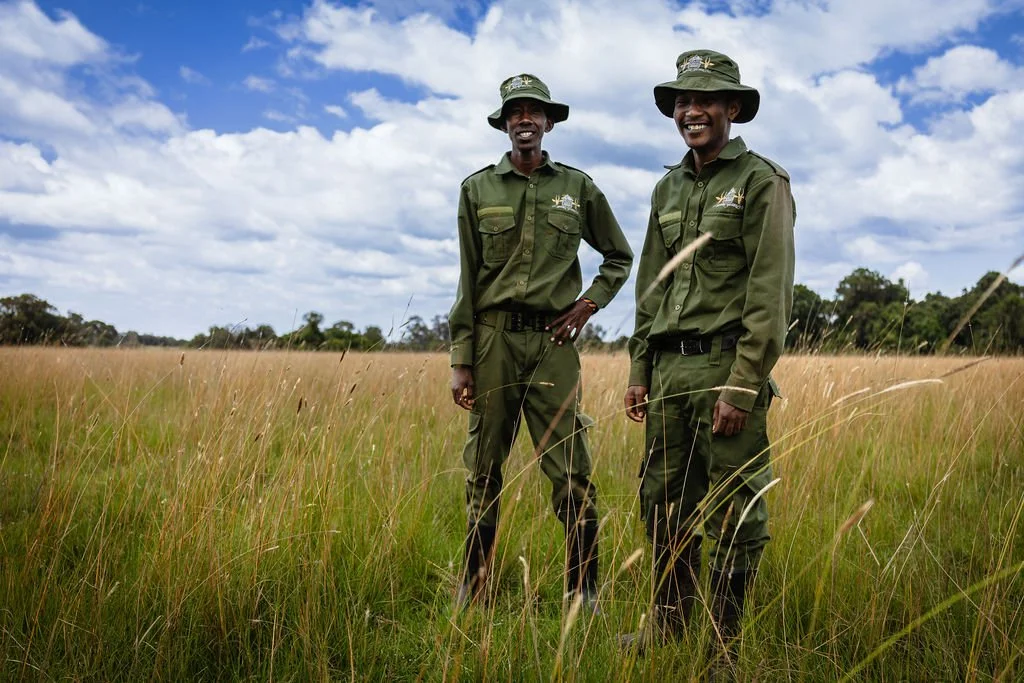
These images were created in collaboration with Mount Kenya Wildlife Conservancy.
If this story matters to you, support the work on the ground.
Donate directly to their conservation efforts through their official donation page.