In 2016, everything in my life seemed to be working. My career in conservation was at its peak, and I was working for a global institution admired by birders worldwide. At the same time, my personal life felt full. I was in love, and we were expecting our baby girl. On paper, everything made sense. But life is rarely that simple.
I grew up in a polygamous family where emotional support was not always guaranteed. I lost my mother at the age of nine, and my father, strong, disciplined, and unwavering, raised me with one clear expectation: failure was not an option. So I learned to plan, to work hard, and to stay disciplined. I made things work, no matter what. And for a long time, I did.
At the end of 2017, something shifted. The career I once loved stopped making sense, and I found myself asking difficult questions. Why don’t people appreciate nature? Why do people litter? Why is wildlife reduced to just the Big Five? I felt disconnected not just from my work, but from the entire concept of conservation. It became physical. I would feel fine at home, but the moment I reached the office door, my motivation collapsed. I knew I was losing direction, and for someone raised to never fail, that realization was terrifying.
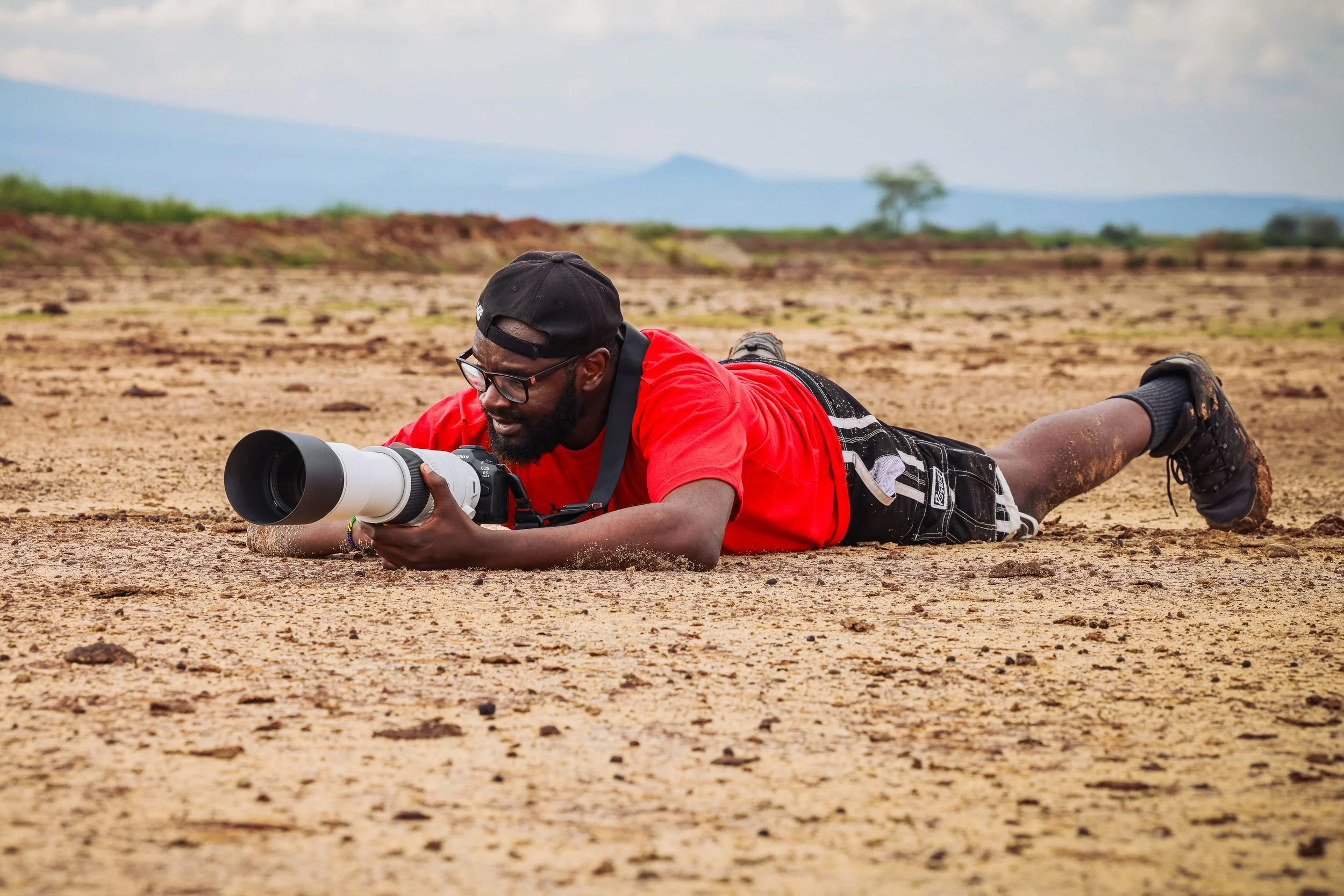
In that confusion, I asked myself one question: what can I do to make people care about nature? The answer was education. But there was a challenge: I am naturally introverted, and standing in front of people to teach did not feel like my path. Then came a simple but powerful realization: I loved taking pictures. So I asked myself, what if I use images to teach people about conservation? That idea changed everything.
I enrolled in photography classes and had honest conversations with my daughter's mother. Together, we made a bold decision: I would not renew my contract and would instead pursue photography as a career. At the time, I didn’t even know if such a path existed. One day, I searched for two words online: conservation photography. And there it was, a real career, a real possibility. But it also came with a harsh truth. There was no one who looked like me in that space. No African. No one with my skin. That’s when I realized this was bigger than me.
While I was chasing that vision, my personal life was falling apart. I lost the woman I loved, lost daily access to my daughter, and had just quit my job. I had no stable income. I had nothing. I remember one of my relatives asking me shortly after my father’s burial, “So I hear you left your job… to take pictures of birds?” If you’re African, you understand the weight of those words. It didn’t sound like curiosity. It sounded like failure. And for the first time in my life, failure was real.
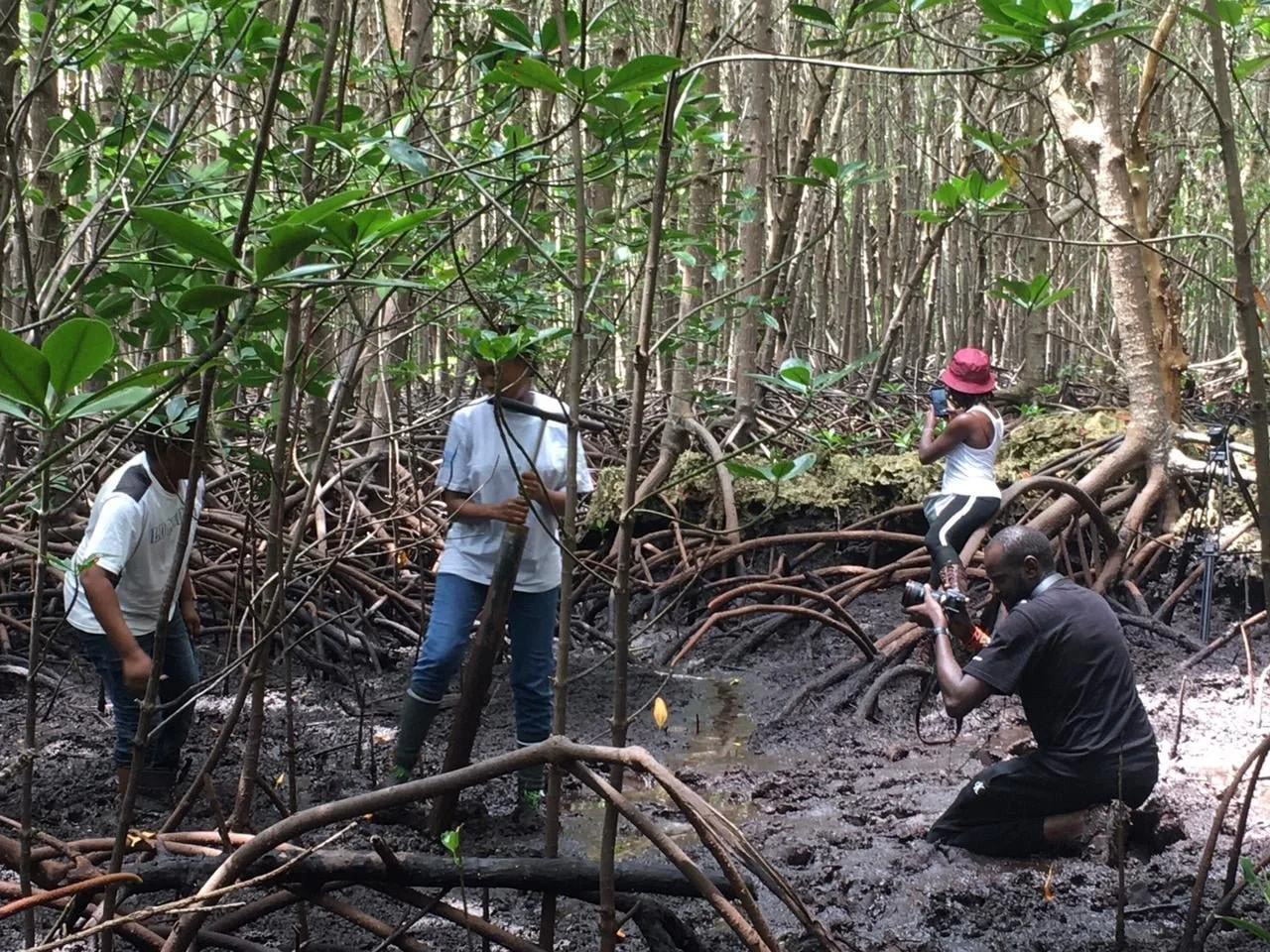
But I still had two things: a camera and a belief that people needed to see nature differently. So I started. I created the name TonyWild, a new identity, a way to remove labels and challenge the idea that conservation belonged only to certain people. I reached out to my network, introducing myself as a conservation photographer. What followed was silence, rejection, and more silence. I was broke, confused, and grieving. But I kept going.
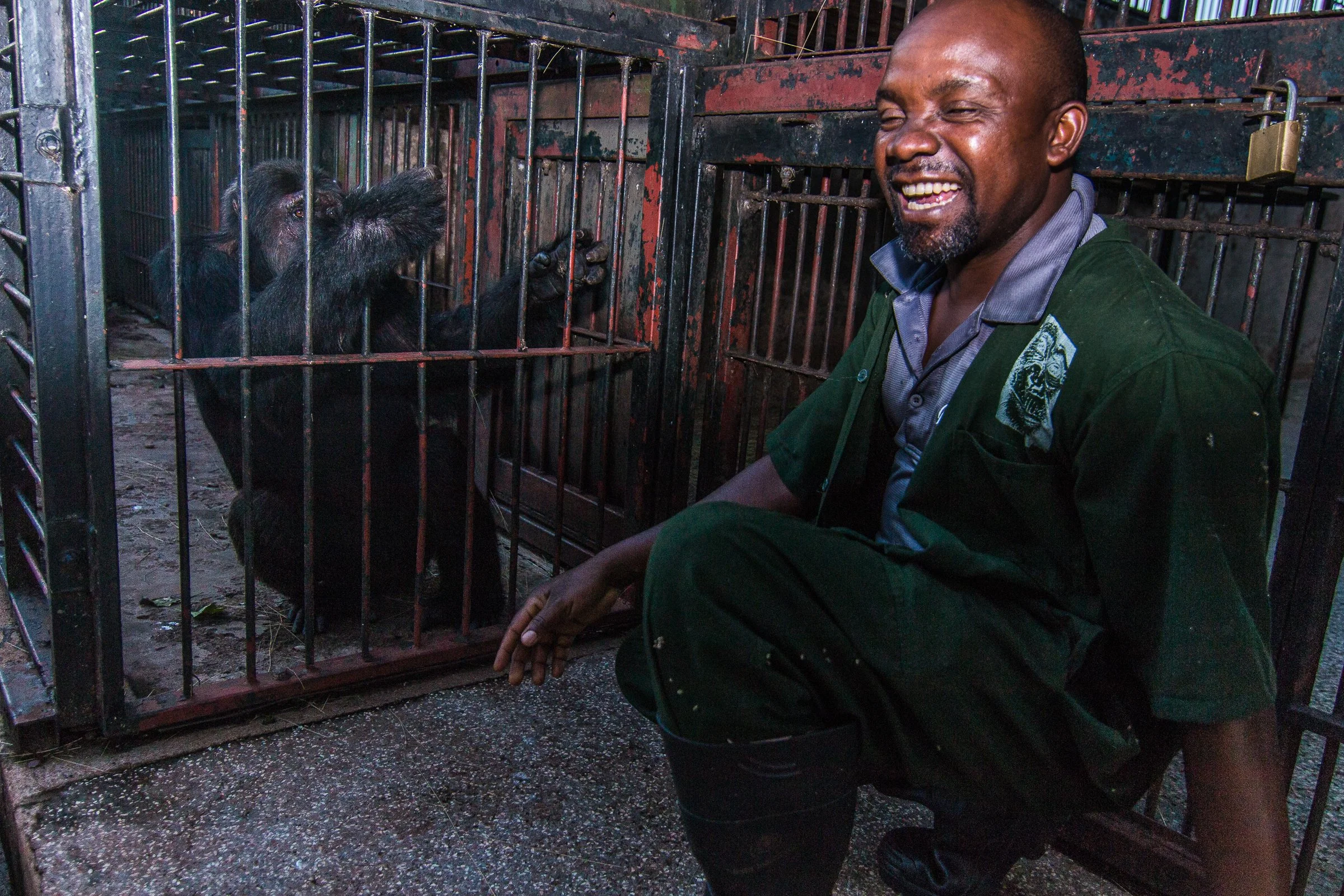
Then came a breakthrough. An opportunity opened up in Uganda with the Chimpanzee Sanctuary. I applied—and yes, I exaggerated my equipment. I claimed I had a high-end camera, while in reality, I was working with basic gear. Confidence or desperation, maybe both. But I got the opportunity, and that journey changed my life.
For six months, I lived on an island documenting rescued chimpanzees, each with a story of trauma and survival. Without realizing it, I was also healing. The camera became more than just a tool. It became a bridge between pain and purpose, between confusion and clarity.
Eight years later, that journey has grown into something far beyond what I imagined. TonyWild is now a foundation, a platform that uses visual storytelling to educate and inspire young people to take action for biodiversity. And my daughter now has her own camera. One of her images reached the final stages of a global wildlife photography competition. She didn’t win, but she showed up. And that, for me, is everything.
Looking back, I understand something I was never taught growing up: failure is not the end. It is a teacher. It is a redirection. It is the beginning of the story that actually matters.
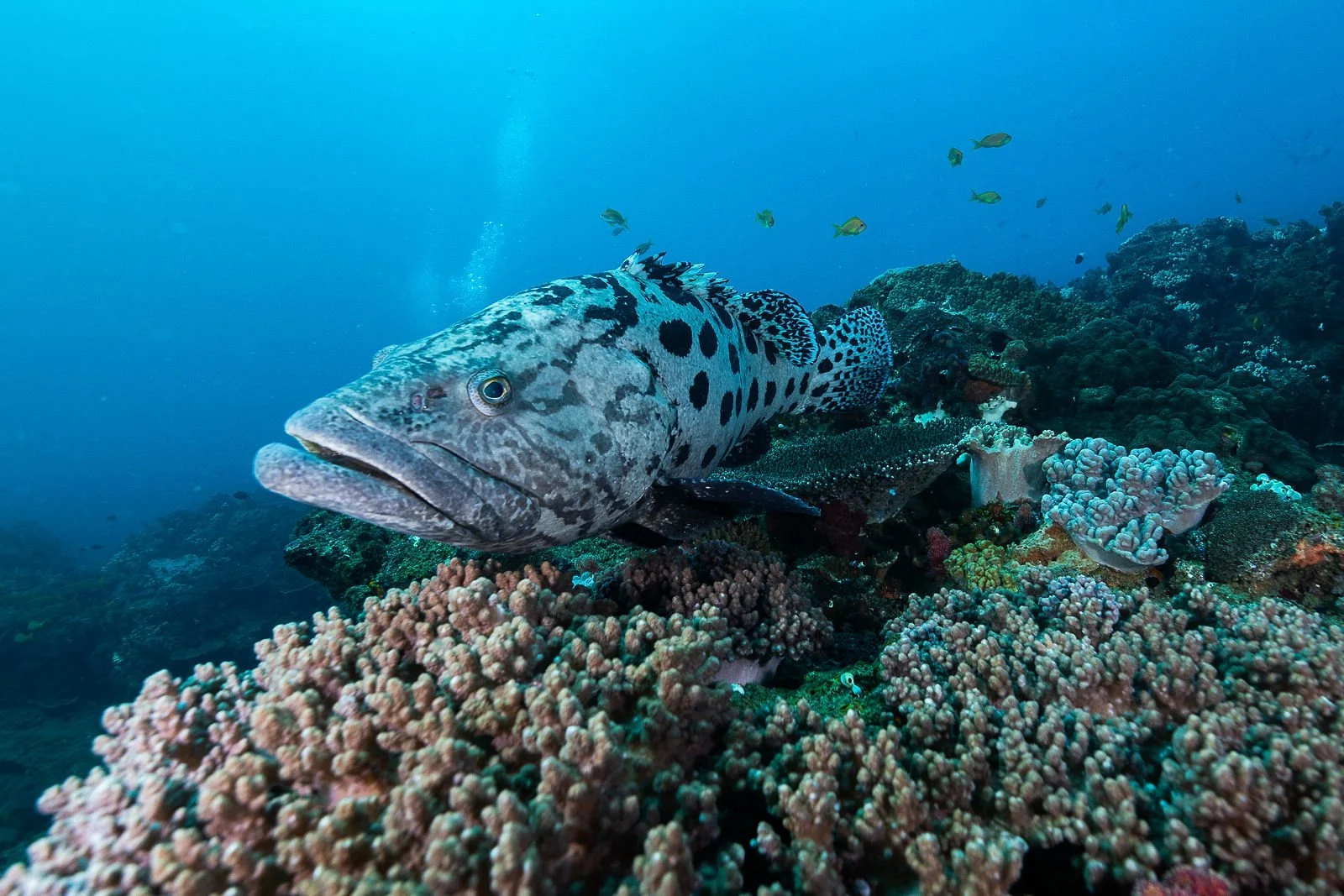
If you are in a place where everything feels like it’s falling apart, where you feel lost, uncertain, or afraid of failing, know this: you are not alone, and you are not finished. Keep learning. Keep showing up. Stay disciplined. And when failure comes, as it will, fail forward. Because sometimes, losing everything is exactly what you need to find your true purpose.